

World Space Week: Celebrating Space Exploration, Innovation & Aviation Heritage
Posted by Air Force Gift Shop on 2nd Oct 2026
Every year from October 4th to October 10th, the globe unites to celebrate World Space Week—the largest public space event on Earth. Officially declared by the United Nations General Assembly in 1999, World Space Week inspires the next generation of engineers, scientists, and space fans while celebrating how space science improves life right here on Earth.
For aviation fans and space enthusiasts alike, October is a sacred time on the calendar. But why are these specific dates chosen, and how do aviation and space exploration go hand in hand?
The Story Behind the Dates: October 4 & October 10

The UN selected October 4–10 for World Space Week to mark two pivotal milestones in human aerospace history:
-
October 4, 1957: Launch of Sputnik 1, the world's first human-made artificial satellite. Sitting atop a rocket built on aviation principles, Sputnik orbited Earth and officially kicked off the Space Age.
-
October 10, 1967: The entry into force of the Outer Space Treaty, a landmark international legal agreement governing the peaceful exploration and use of outer space, including the Moon and celestial bodies.
Together, these two dates represent the spark of human spaceflight and the international cooperation that keeps exploration alive today.
From the Skies to the Stars: The Aviation-Space Connection
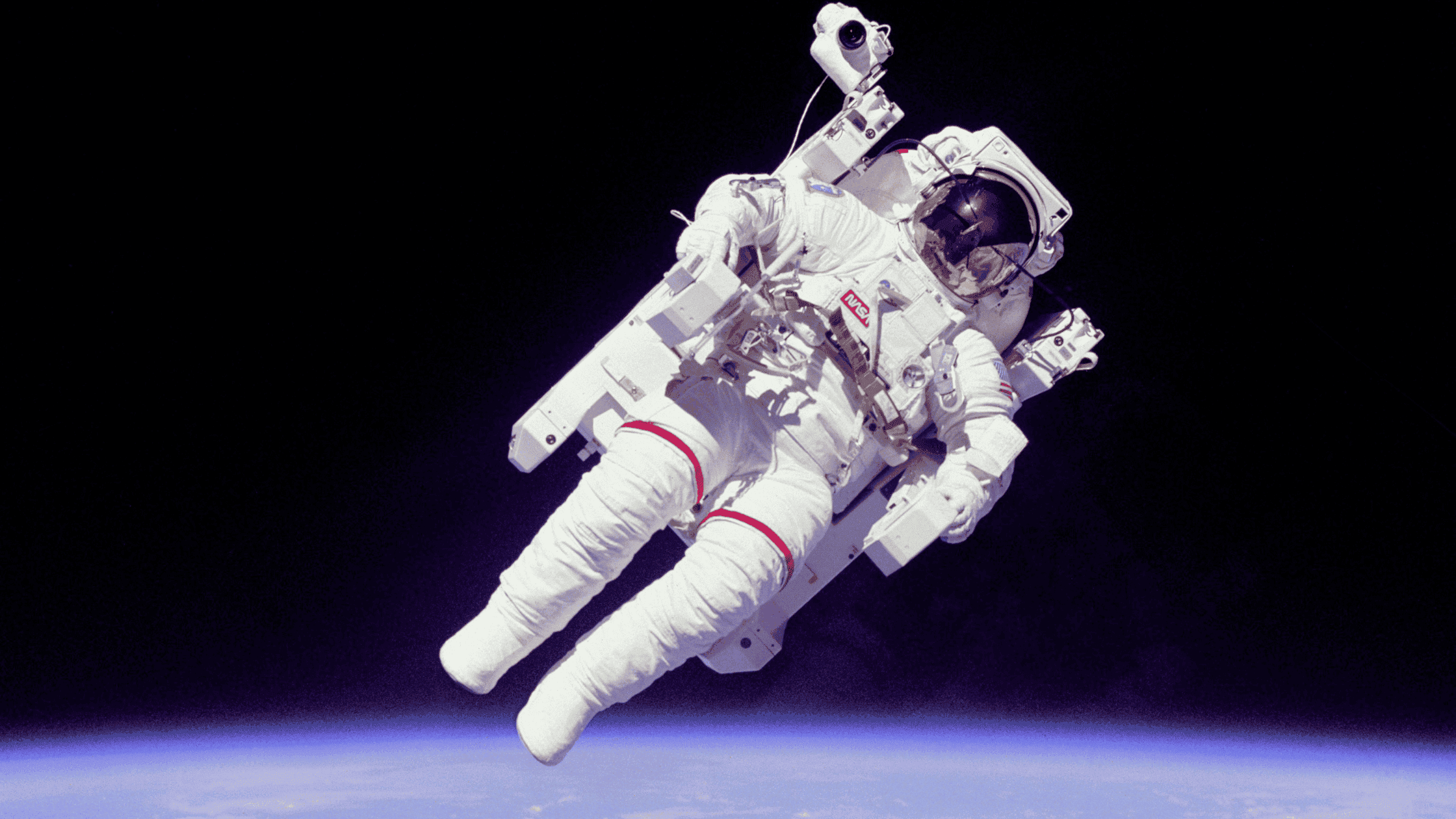
It’s easy to think of aviation and space travel as two completely different worlds, but in reality, they share the same DNA.
Before humanity ever built a space shuttle or sent a rover to Mars, it was high-altitude military pilots, test flyers, and aerospace engineers who paved the way:
-
Test Pilots Turned Astronauts: NASA’s earliest astronauts—including the legendary Mercury 7—were military test pilots who gained their flight experience flying high-performance aircraft for the US Air Force and Navy.
-
Aerodynamics & Engineering: Rocket design, heat shields, and spacecraft re-entry profiles rely heavily on aerodynamic principles pioneered by aeronautical research teams trying to break speed and altitude records.
-
The Space Shuttle Era: Vehicles like NASA’s Space Shuttle blended rocket power with gliders, launching like a rocket but landing back on Earth on a runway like a massive aeroplane.
How to Celebrate World Space Week
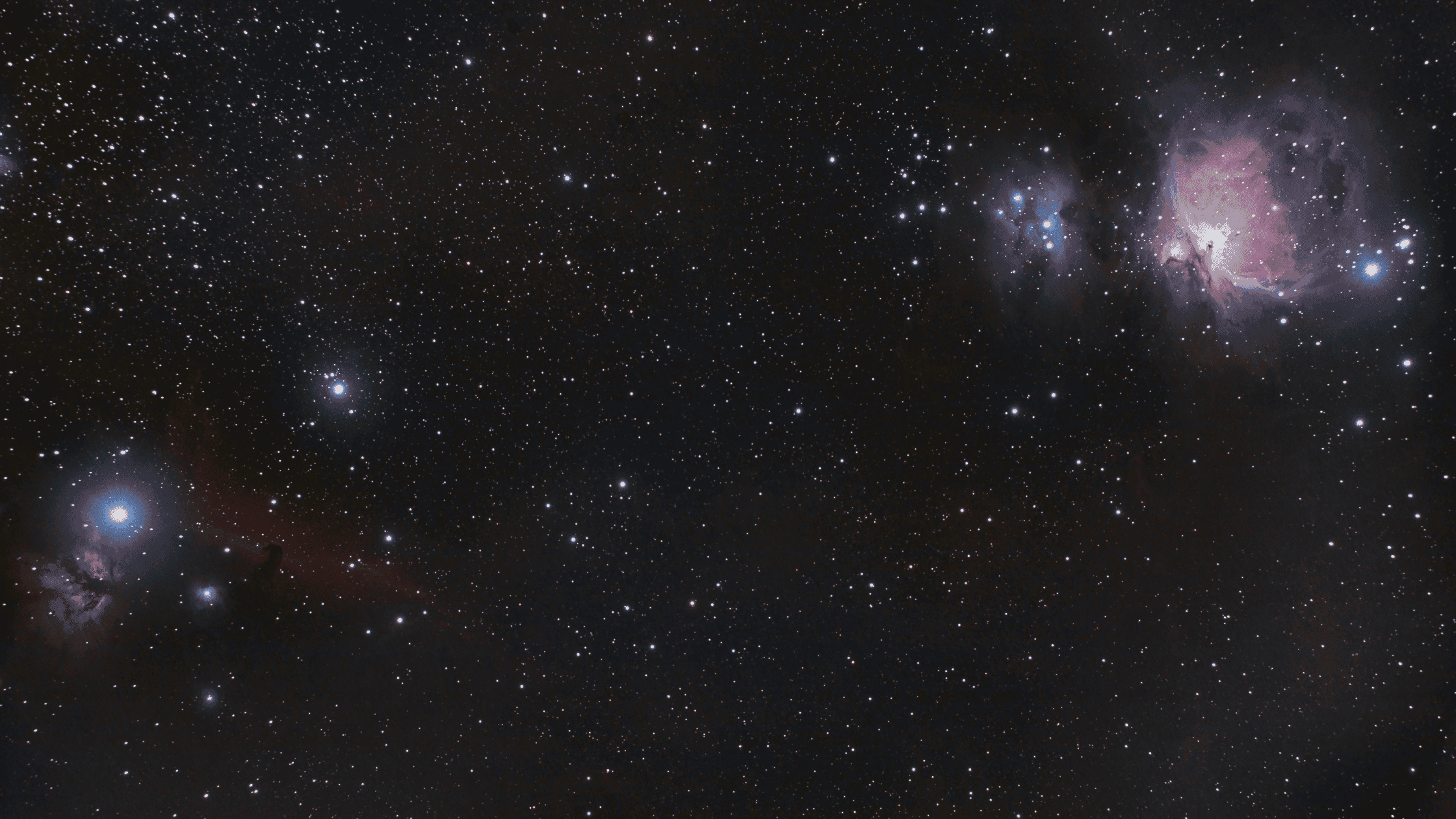
Whether you’re an avid stargazer, a science student, or a lifelong fan of aerospace engineering, there are plenty of ways to join the global celebration this October:
-
Visit a Space or Aviation Museum: Places like the National Space Centre in Leicester, the Science Museum in London, or aerospace museums with rocket displays offer an up-close look at real space hardware.
-
Stargaze & Track Satellites: Download a sky-tracking app to spot the International Space Station (ISS) as it passes overhead at twilight.
-
Explore Historic Missions: Revisit the groundbreaking stories of Apollo 11, the Hubble Space Telescope, and the James Webb Space Telescope.
-
Wear Your Space Heritage: Show off your passion for aerospace with official NASA gear, rocket-inspired apparel, and space merch!


From early biplanes and supersonic jet engines to deep-space probes exploring distant galaxies, human curiosity knows no limits. World Space Week reminds us to keep looking up and reaching for the stars.
How are you celebrating World Space Week this October? Tag us in your space photos, museum trips, and stargazing setups @airforcegiftshop on Instagram, Facebook and TikTok!