

October Aircraft Spotlight: The Avro Vulcan
Posted by Air Force Gift Shop on 12th Oct 2026
As autumn settles across the UK and the skies turn crisp and dramatic, our October Aircraft Spotlight turns its attention to one of the most awe-inspiring, unmistakable silhouettes in aviation history: the Avro Vulcan.
With its massive delta wing, thunderous Rolls-Royce Olympus engines, and unmistakable "Vulcan howl," this Cold War titan represents the absolute pinnacle of mid-20th-century British aerospace engineering.
Whether you were lucky enough to hear its deafening roar at airshows or admire its sleek design in museum hangars today, the Vulcan holds a permanent place in the hearts of aviation fans worldwide.
The Birth of a Cold War Icon
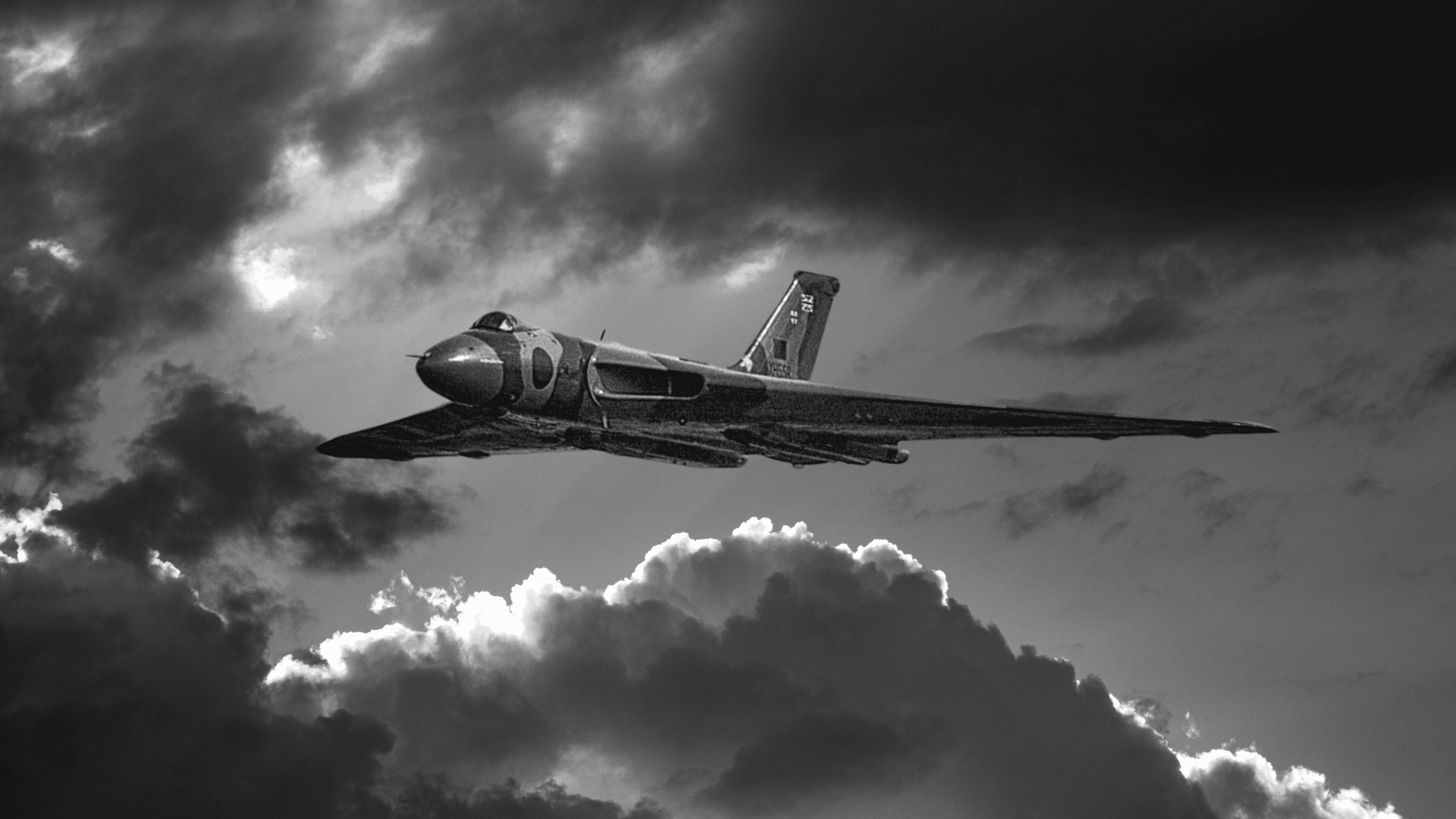
Designed in the late 1940s by Roy Chadwick and the brilliant team at A.V. Roe and Company (Avro), the Vulcan was created in response to Air Ministry Specification B.35/46. Britain needed a high-altitude, jet-powered strategic bomber capable of carrying the nation’s nuclear deterrent deep into hostile territory.
When the prototype took its first flight on August 30, 1952, it looked like something straight out of science fiction. Abandoning traditional tailplanes in favour of a sweeping delta wing design, the Vulcan offered exceptional high-altitude performance, speed, and surprisingly agile manoeuvrability for a heavy bomber.
Along with the Vickers Valiant and Handley Page Victor, the Vulcan formed the famous trio of V-Bombers that maintained Britain’s airborne nuclear deterrent throughout the tensest years of the Cold War.
Technical Marvels of the Vulcan
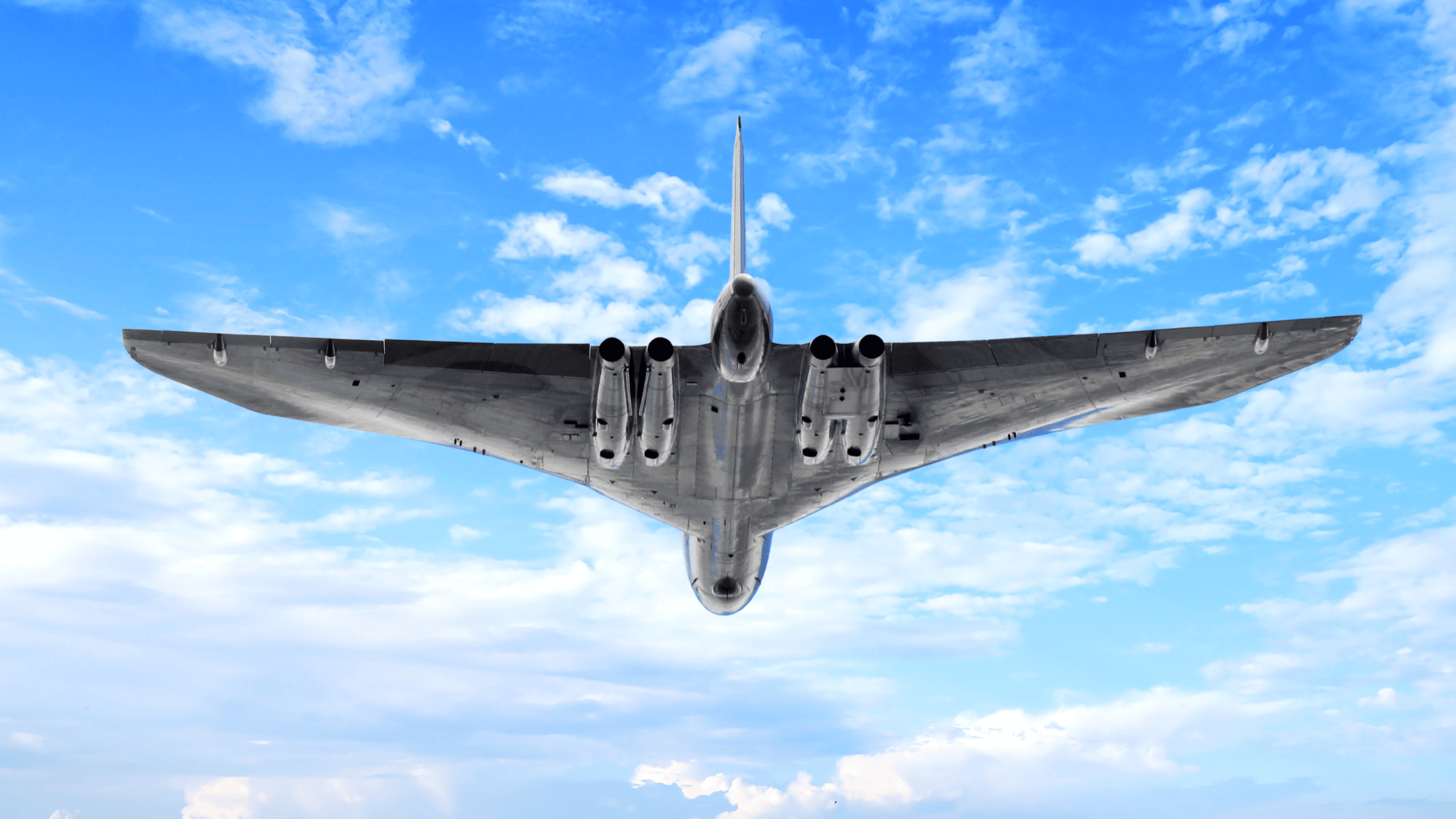
What made the Avro Vulcan such an engineering triumph? Here are a few key facts that defined this legendary warbird:
-
The Delta Wing: The massive triangular wing provided immense lift at high altitudes while distributing the weight of four powerful jet engines buried deep within the airframe.
-
The "Vulcan Howl": When accelerating hard, air rushing into the engine air intakes created a unique, spine-tingling acoustic howl that became the aircraft’s famous signature at airshows.
-
No Fighter Escort Needed: Early variants were designed to fly higher and faster than contemporary enemy interceptor jets, operating at altitudes above 50,000 feet.
Operation Black Buck: The Ultimate Test
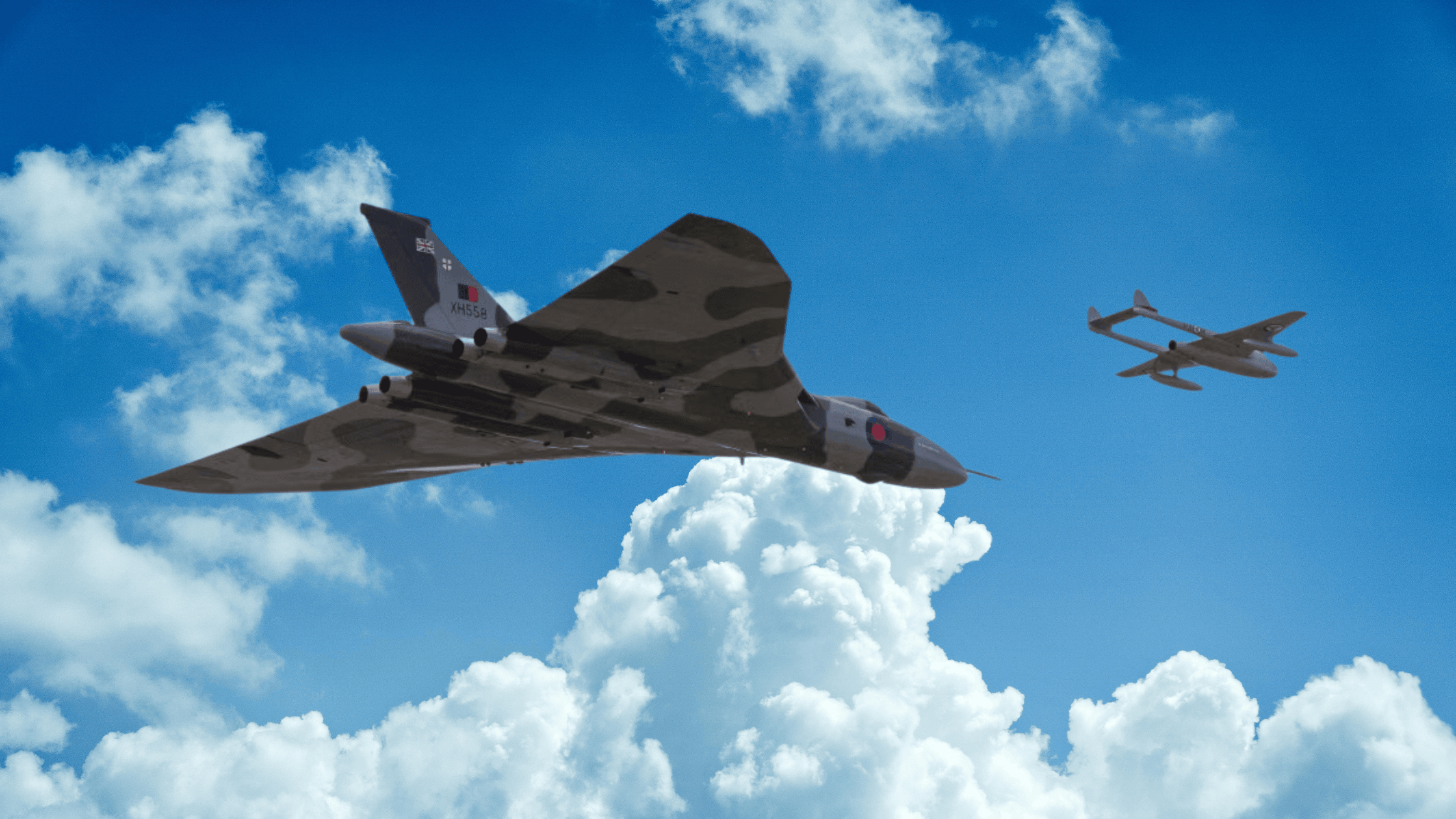
While designed as a nuclear deterrent, the Vulcan’s most famous operational hour came during the 1982 Falklands War in Operation Black Buck.
Staged from Ascension Island in the middle of the Atlantic Ocean, RAF Vulcans flew a series of gruelling 3,800-mile round trips to strike the airfield at Port Stanley. Requiring a complex chain of Handley Page Victor aerial refuelling tankers to keep a single bomber airborne, these missions were the longest bombing runs in military history at the time.
Operation Black Buck demonstrated the immense reach, tactical flexibility, and sheer determination of RAF crews and ground personnel.
Preserving the Legacy: XH558 & Museum Icons
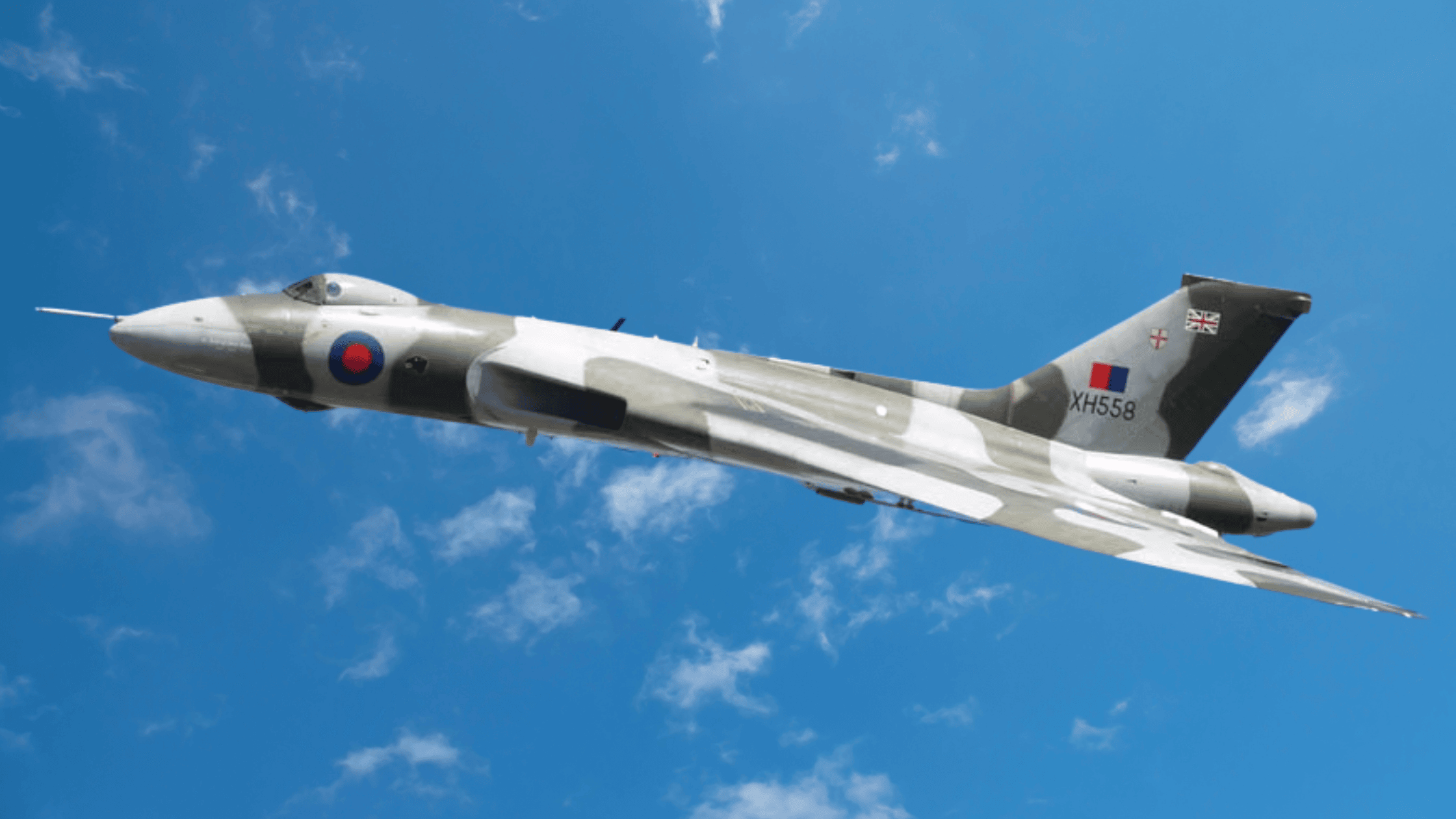
Following its retirement from RAF service in 1984, the Vulcan’s story was far from over. Thanks to extraordinary public fundraising and dedicated engineering teams, Vulcan XH558 ("Spirit of Great Britain") returned to the skies in 2007, touring airshows across the UK and captivating millions until its final farewell flight in 2015.
Today, while no Vulcans remain airworthy, you can still experience these delta-winged giants up close at premier UK aviation museums, including:
-
RAF Museum Midlands (Cosford): Home to a stunning V-Bomber lineup.
-
Imperial War Museum Duxford: Housing a magnificent Vulcan inside the AirSpace hangar.
-
Yorkshire Air Museum: Featuring static displays and engine-run events.
-
Avro Heritage Museum (Woodford): Located on the very site where Vulcans were originally built!
Celebrate Aviation Heritage This October
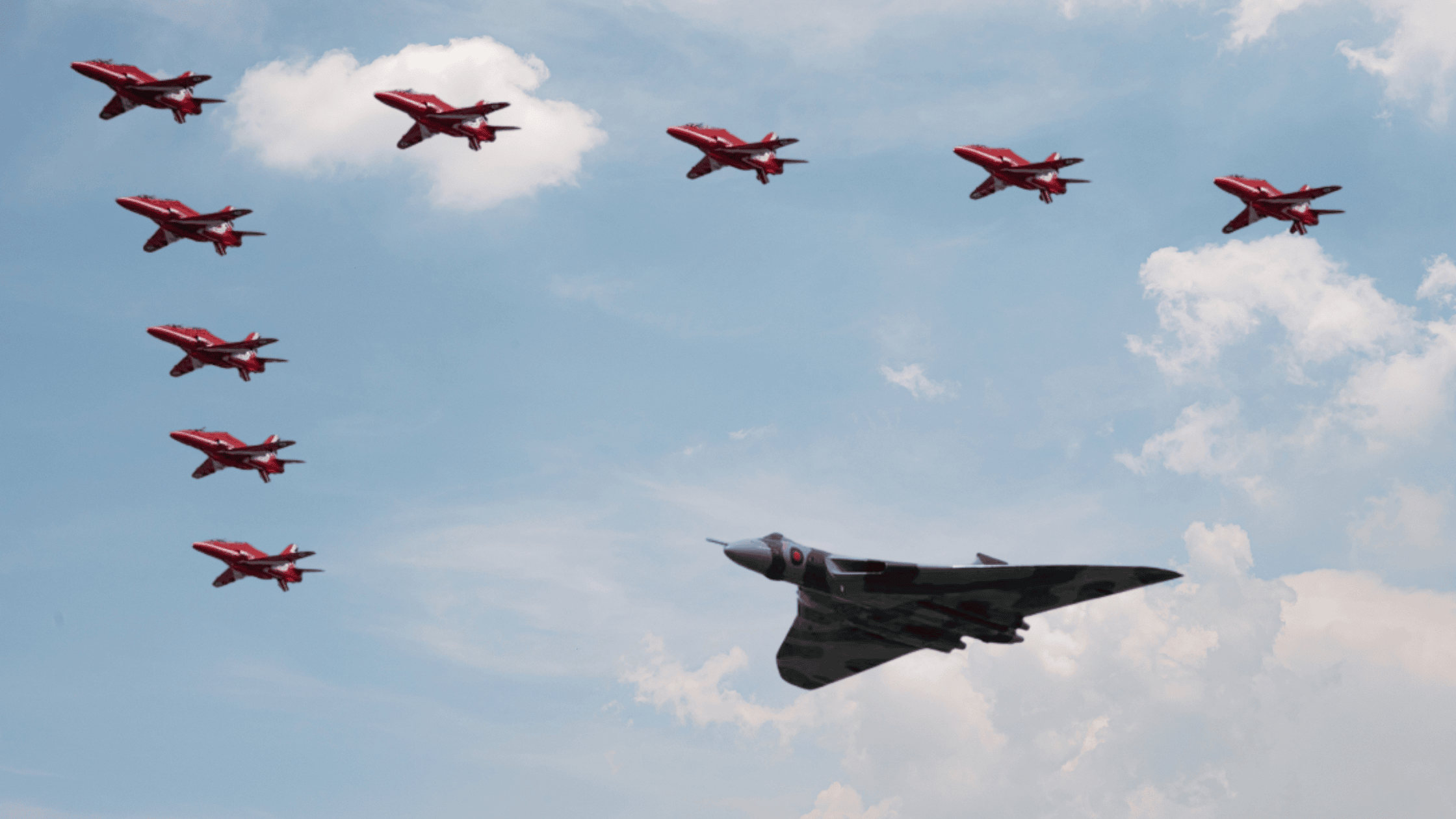
The Avro Vulcan stands as a testament to British innovation, courage, and technological prowess. Its legacy continues to inspire generations of engineers, pilots, and flight enthusiasts.
Is the Avro Vulcan your favourite V-Bomber? Tag us in your airshow memories, museum photos, and warbird gear @airforcegiftshop on Instagram, Facebook and TikTok!