

The Legend of the Gremlins: WWII Aviation Folklore
Posted by Air Force Gift Shop on 23rd Oct 2026
Long before Steven Spielberg made them famous on the silver screen in 1984, "gremlins" weren't cute pets that turned into monsters when fed after midnight. To the pilots and aircrews of World War II, gremlins were very real, mythical mischief-makers blamed for everything that could go wrong inside a military cockpit.
Unexplained radio static? Gremlins.
A stuck landing gear right before touchdown? Gremlins.
A perfectly good engine sputtering at 15,000 feet? Blame the gremlins.
Here is the fascinating story of how RAF pilots created one of the most enduring pieces of military folklore in modern history.
The Origin of the Sky Saboteurs
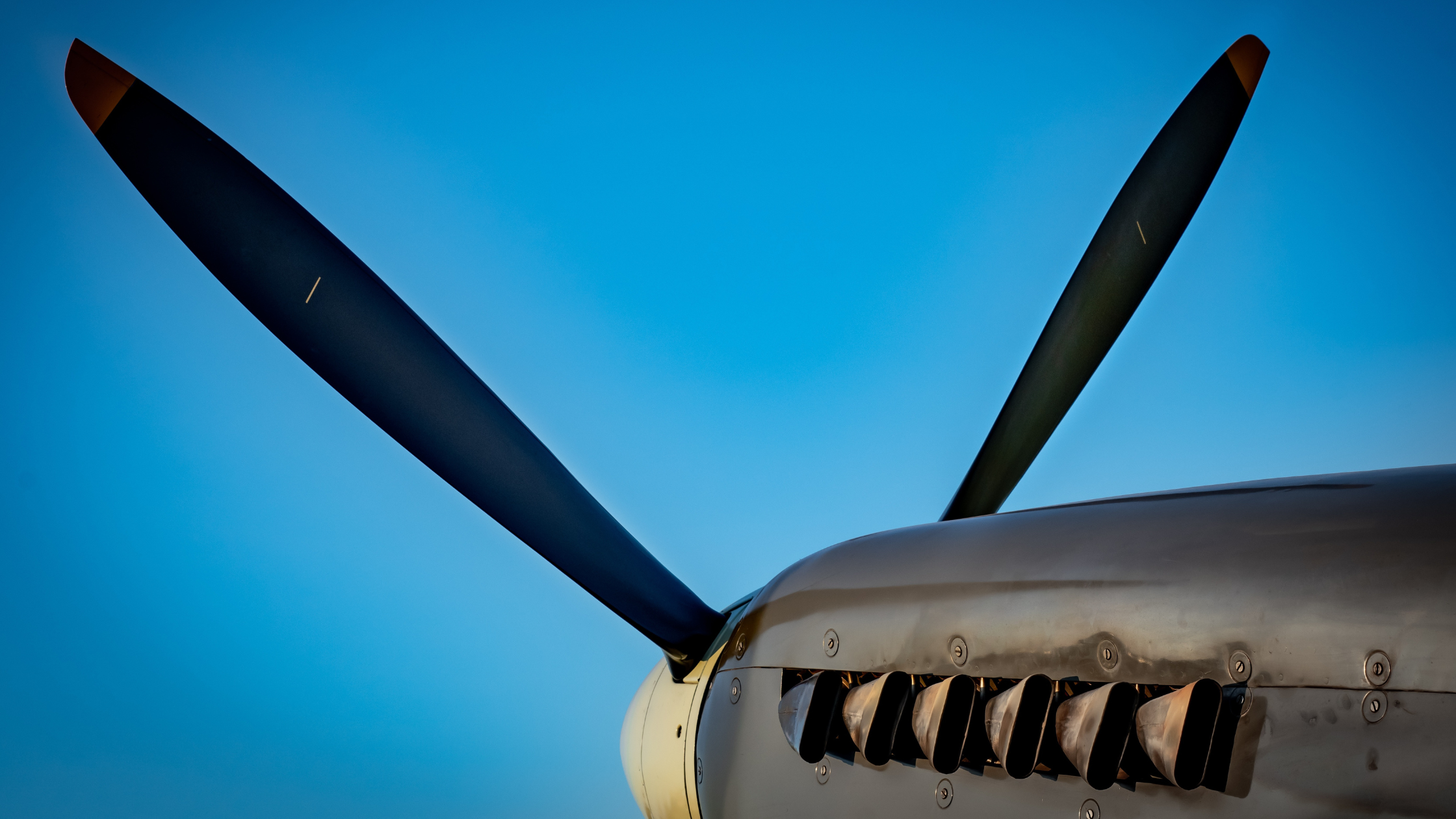
While gremlin stories exploded in popularity during the Second World War, the term actually originated during the late 1920s among Royal Air Force (RAF) pilots stationed in remote outposts like Malta, India, and the Middle East.
Flying early, temperamental biplanes through harsh desert sands and humid tropical environments meant mechanical failures were a constant headache. Pilots began joking that tiny, invisible creatures were climbing inside the airframes to cut wires, drink fuel, and loosen bolts.
The origin of the word "gremlin" is still debated by linguists, but two popular theories prevail:
-
The Old English Connection: Derived from the Old English word "gremian" (meaning "to vex" or "to annoy").
-
The Beer Bottle Myth: Inspired by Fremlin’s, a popular brand of British beer favoured by RAF servicemen stationed overseas.
WWII and the Rise of "Gremlinology"
When World War II broke out, military technology advanced at a dizzying pace. Aircraft became vastly more complex overnight, featuring intricate electrical systems, hydraulic lines, high-altitude carburettors, and experimental radar units.
With young aircrews pushed to their physical limit in high-stress combat conditions over occupied Europe, mysterious mechanical glitches were a daily reality. Admitting to fear or fatigue was tough for aviators, but blaming a supernatural pest offered a psychological escape valve.
Humorous handbooks and "field guides" to gremlins quickly swept through RAF airbases. Aviators even categorised the different breeds of gremlins:
-
Spandules: High-altitude specialists who caused icy windshields and frozen guns.
-
Fifinellas: Female gremlins (a term later adopted by the Women Airforce Service Pilots, or WASP, in the USA).
-
Widgets: Baby gremlins responsible for minor, annoying glitches like flickering cockpit gauges.
Roald Dahl & Hollywood Takeover

The legend didn't stay confined to RAF mess halls for long. A young RAF fighter pilot named Roald Dahl—who would later write classics like Charlie and the Chocolate Factory—wrote his very first children's book in 1943 titled The Gremlins.
Dahl wrote the story while recovering from an air crash, detailing how gremlins sabotaged RAF fighters until pilots persuaded them to join forces against Axis bombers instead.
Walt Disney purchased the rights to Dahl’s story, planning an animated feature film. While the film was eventually scrapped due to copyright tangles with the Air Ministry, Disney produced promotional comic books that cemented gremlin lore in global popular culture. Warner Bros. also jumped on the trend, featuring gremlins tormenting Bugs Bunny in the iconic 1943 cartoon Falling Hare.
The Psychological Genius of Flight Folklore
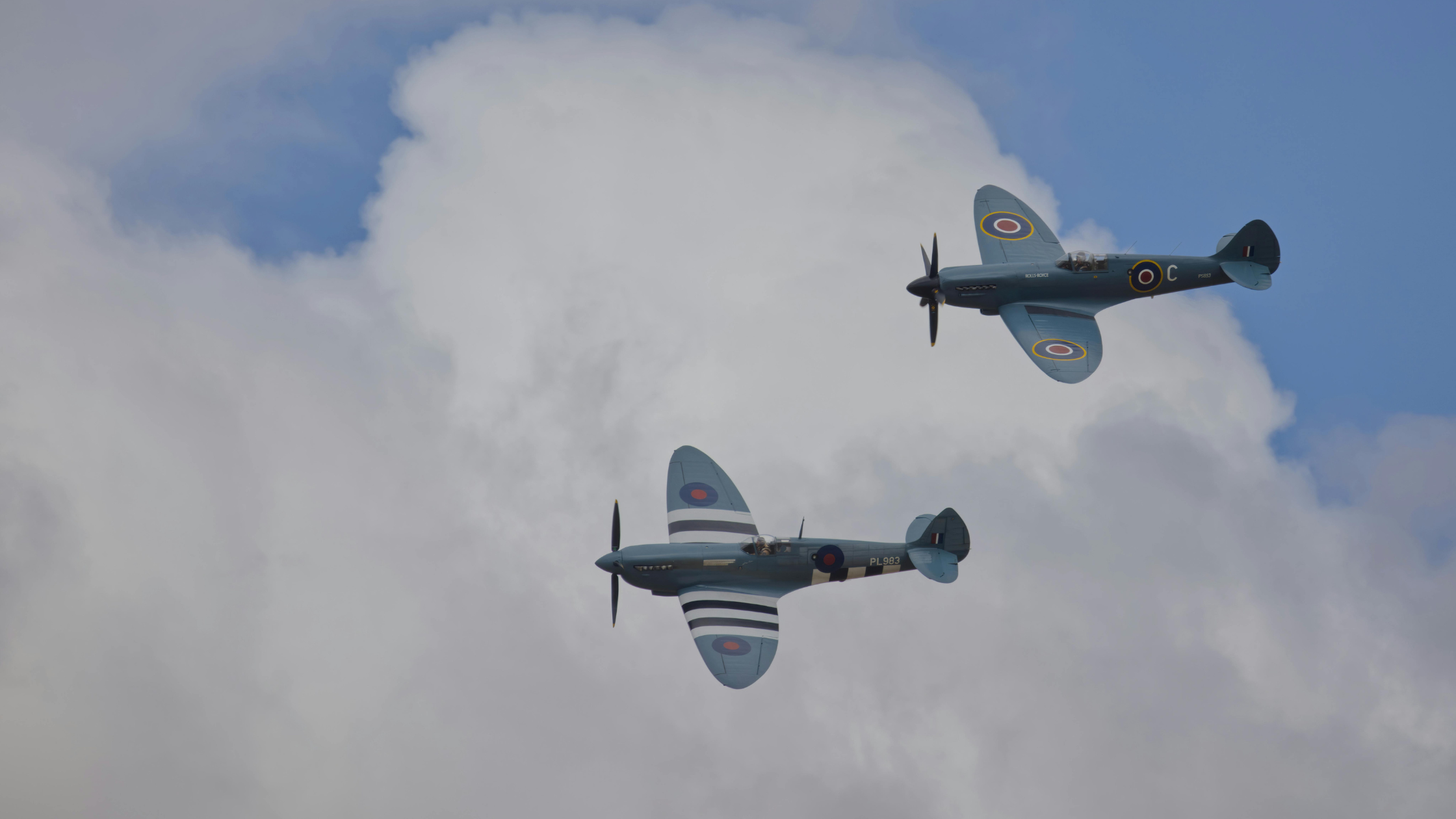
Military historians and psychologists look back on the gremlin legend not as mere superstition, but as a brilliant coping mechanism.
Pilots flying dangerous daylight raids over enemy territory faced immense stress and unpredictable mechanical hazards. Blaming an invisible, mischievous creature gave aircrews a lighthearted way to discuss terrifying near-misses, vent frustration without criticising their aircraft engineers, and build camaraderie during dark times.
Even today, when an unexpected technical glitch pops up in modern aviation or electronics, you'll still hear engineers smile and say: "Looks like there's a gremlin in the system."
Keep the Spirit of Flight Alive
From humorous cockpit folklore to the heroic reality of the Battle of Britain, the rich history of aviation is full of incredible stories that continue to inspire us today. If you want spitfire merchandise or anything related to the RAF, check out our wide range of Royal Air Force merchandise.


Have you ever experienced a mysterious "gremlin" glitch while flying or working on a project? Share your stories with us @airforcegiftshop on Instagram, Facebook and TikTok!