Artemis II: A Historic Success That Signals a New Era of Space Exploration
Posted by Air Force Gift Shop on 13th Apr 2026
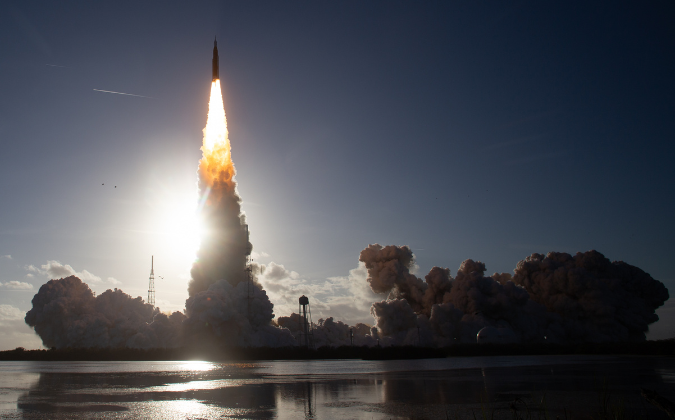
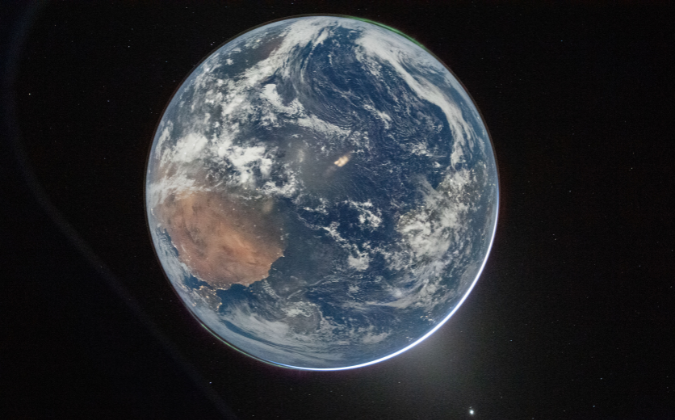
In April 2026, humanity took another major step forward as NASA’s Artemis II mission successfully completed its journey around the Moon and returned safely to Earth. This landmark mission marks the first time astronauts have travelled to the Moon in over 50 years, bringing space exploration firmly back into global focus and setting the stage for future lunar landings.
For aviation and space enthusiasts, Artemis II is more than just a mission. It is a clear signal that deep space exploration is no longer a distant ambition. It is happening now, and the momentum behind it is only growing stronger. At Air Force Gift Shop, we celebrate the history and future of flight, offering a wide range of aviation inspired products for enthusiasts.
What Was Artemis II
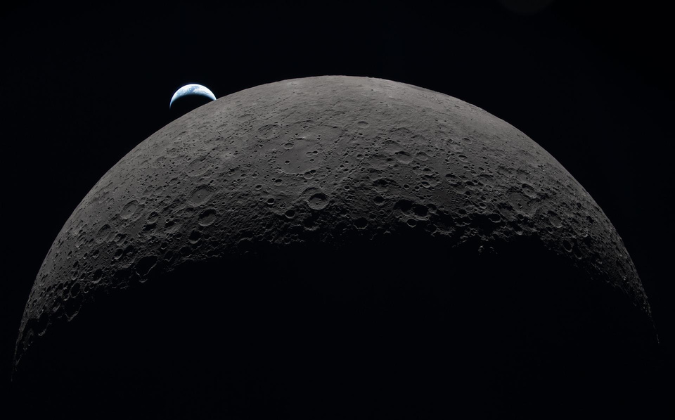
Artemis II was the first crewed mission in NASA’s Artemis programme, a long term initiative designed to return humans to the Moon and eventually prepare for missions to Mars. Launched on 1 April 2026, the mission sent four astronauts on a ten day journey around the Moon before bringing them safely back to Earth.
Unlike the Apollo missions of the 1960s and 70s, Artemis II was not intended to land on the lunar surface. Instead, its purpose was to test and validate the systems that will be required for future missions. This includes the Orion spacecraft, deep space navigation systems and life support capabilities needed for extended travel beyond Earth orbit.
The mission followed a carefully planned trajectory that took the crew thousands of miles beyond the Moon before looping them back towards Earth. This allowed engineers to collect valuable data on how spacecraft systems perform in deep space conditions, something that cannot be fully replicated on Earth.
A Mission That Delivered on Every Front
Artemis II has been widely described as a complete success, and the data supports that view.
The crew travelled over 694000 miles during the mission, covering an immense distance that pushed both the spacecraft and its systems to their limits. At its furthest point, the mission took the astronauts more than 250000 miles away from Earth, further than any human has travelled since the Apollo missions.
One of the most critical phases of the mission was re-entry. As the Orion spacecraft returned to Earth, it had to withstand temperatures of around 5000 degrees Fahrenheit. The heat shield performed exactly as expected, protecting the crew and demonstrating that the spacecraft can handle the extreme conditions of high speed re-entry.
The mission concluded with a safe ocean splashdown on 10 April 2026. Recovery teams were able to secure the spacecraft quickly, bringing the astronauts home without incident.
Every major system worked as intended. From propulsion and navigation to communication and thermal protection, Artemis II proved that the technology required for future lunar missions is ready.
Why Artemis II Matters
The importance of Artemis II goes well beyond the mission itself. It represents a crucial step in a much larger plan to establish a long term human presence beyond Earth.
One of the primary goals of the Artemis programme is to return astronauts to the surface of the Moon. Artemis III is expected to achieve this, marking the first lunar landing since 1972. The success of Artemis II means that the systems needed to support that mission have been thoroughly tested in real world conditions.
Beyond individual missions, there is a broader vision at play. NASA and its international partners are working towards the development of a sustainable presence on the Moon. This includes the potential construction of a lunar base, which could serve as a hub for scientific research and further exploration.
There is also a strong link between the Artemis programme and future missions to Mars. The Moon provides an ideal testing ground for technologies and techniques that will eventually be used for much longer journeys. Everything learned from Artemis II contributes to that long term objective.
A New Era of Diversity and Innovation
Artemis II also reflects a modern approach to space exploration, one that places a strong emphasis on diversity and international collaboration.
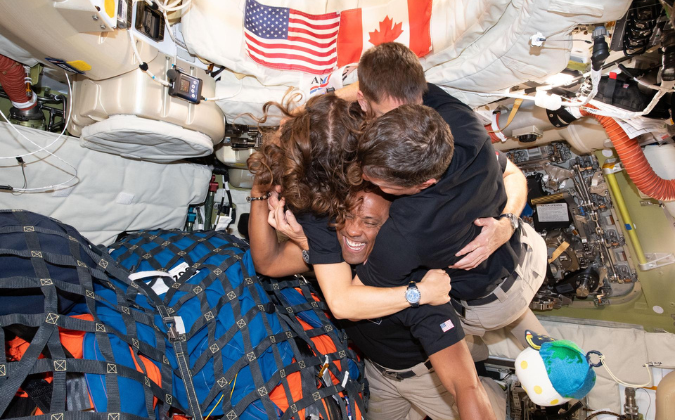
The mission crew included the first woman to travel around the Moon, the first Black astronaut to take part in a lunar mission and the first non American astronaut to complete such a journey. This represents a significant shift from earlier space programmes and highlights the global nature of modern exploration.
Space is no longer the domain of a single nation. It is a shared effort that brings together expertise from across the world. Artemis II is a clear example of how collaboration can drive progress and achieve results that would not be possible in isolation.
The Technology Behind the Mission
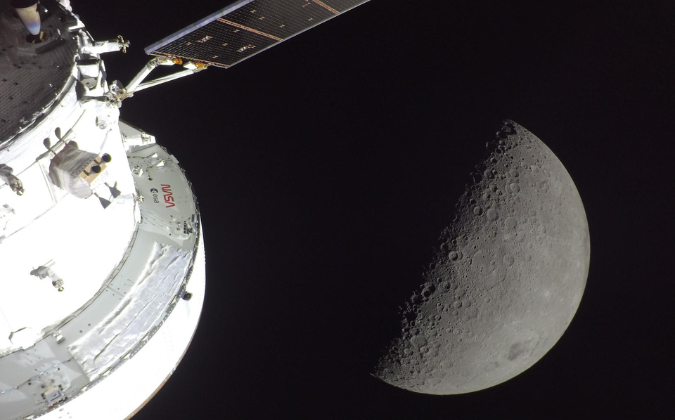
At the centre of Artemis II was the Space Launch System, NASA’s most powerful rocket to date, paired with the Orion spacecraft. Together, they form the backbone of the Artemis programme and represent the latest advancements in aerospace engineering.
The Orion spacecraft is designed specifically for deep space missions. It includes advanced life support systems capable of sustaining astronauts for extended periods, as well as highly sophisticated navigation and communication systems.
One of the most impressive aspects of the technology is its ability to operate reliably in the harsh environment of deep space. Temperatures can vary dramatically, radiation levels are significantly higher than in low Earth orbit and communication delays increase as distance from Earth grows.
The successful performance of these systems during Artemis II provides strong evidence that they are ready for more demanding missions soon.
For those with an interest in aviation and engineering, this mission offers a fascinating insight into how far technology has progressed. It builds on decades of innovation while introducing new systems that will define the next era of space travel. If you are passionate about this kind of innovation, exploring our aviation gifts collection is a great way to stay connected to the world of flight.
Inspiring the Next Generation
One of the most powerful outcomes of Artemis II is the inspiration it provides. Millions of people followed the mission as it unfolded, watching as humanity once again ventured beyond Earth orbit.
The excitement surrounding the mission has already begun to influence a new generation of engineers, scientists and pilots. Much like the Apollo missions inspired countless careers in aerospace, Artemis II has the potential to do the same for today’s younger audience.
This sense of inspiration is important. The future of space exploration depends not only on current technology but also on the people who will continue to develop and improve it in the years to come.
The Connection to Aviation Heritage
While Artemis II is focused on space, its roots are firmly grounded in the history of aviation. The skills, technologies and principles that make space travel possible have evolved directly from decades of progress in aircraft design and engineering.
From early military aviation to modern aerospace systems, there is a clear line of development that leads to missions like Artemis II. The same attention to detail, precision engineering and commitment to safety that define aviation are equally important in space exploration. For those who appreciate this legacy, our RAF memorabilia range reflects the rich history behind modern flight.