

5 Fascinating RAF Facts You (Probably) Didn't Know
Posted by Air Force Gift Shop on 21st Aug 2026
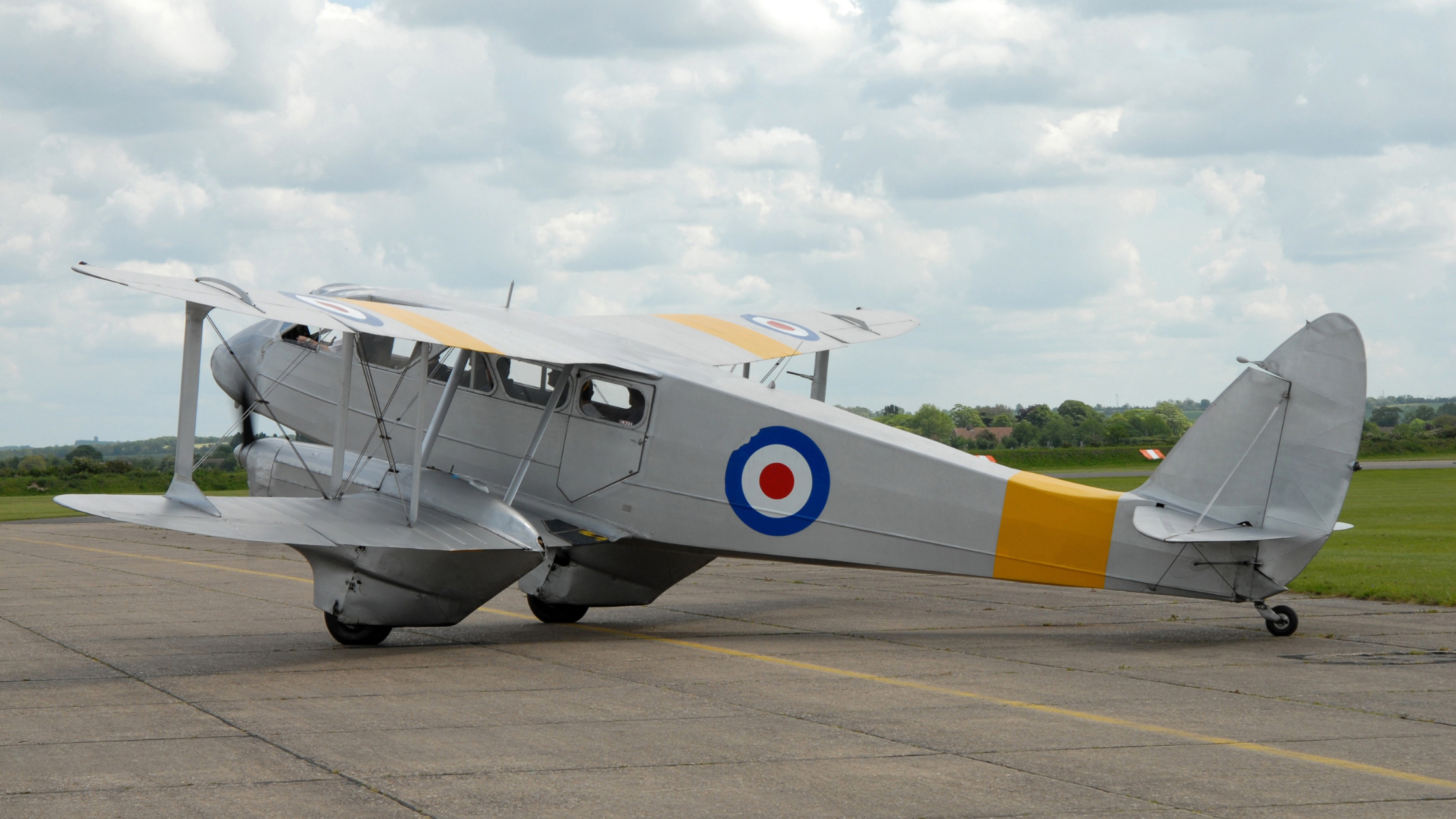
Whether you’re a lifelong aviation enthusiast, a frequent visitor to UK airshows, or someone proud to wear officially licensed military gear, the Royal Air Force (RAF) holds a special place in British identity.
Most people know about the heroism of the Battle of Britain or the awe-inspiring precision of the Red Arrows. But across its century-plus legacy, the RAF's history is packed with incredible quirks, accidental design strokes, and historic firsts that often get overlooked.
At the Air Force Gift Shop, we don't just sell apparel—we curate heritage. To celebrate the extraordinary history behind the logos on our gear, here are 5 facts about the Royal Air Force that might just surprise you.
1. The RAF Was the World’s Very First Independent Air Force
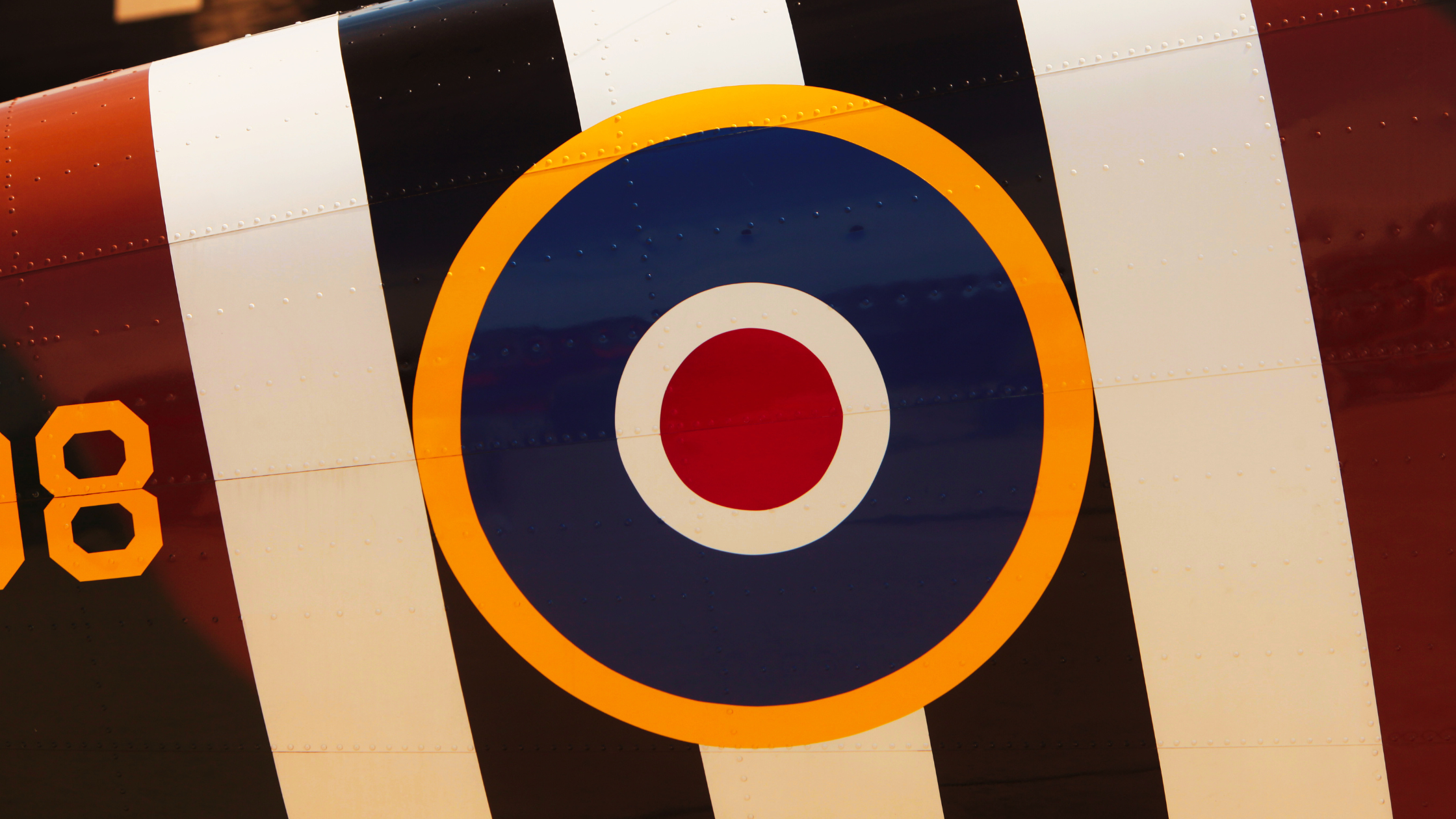
Before April 1, 1918, military aviation was treated purely as an auxiliary arm of ground and sea forces. If you flew in combat during early World War I, you belonged either to the British Army's Royal Flying Corps (RFC) or the Royal Navy's Royal Naval Air Service (RNAS).
On April 1, 1918, Britain made history by merging the RFC and RNAS to form the Royal Air Force. This made the RAF the world’s first air force to operate as an independent military service, standing on equal footing with the Army and Royal Navy rather than serving under their command structure.
2. RAF Blue Uniforms Were Made from Surplus Russian Cavalry Fabric
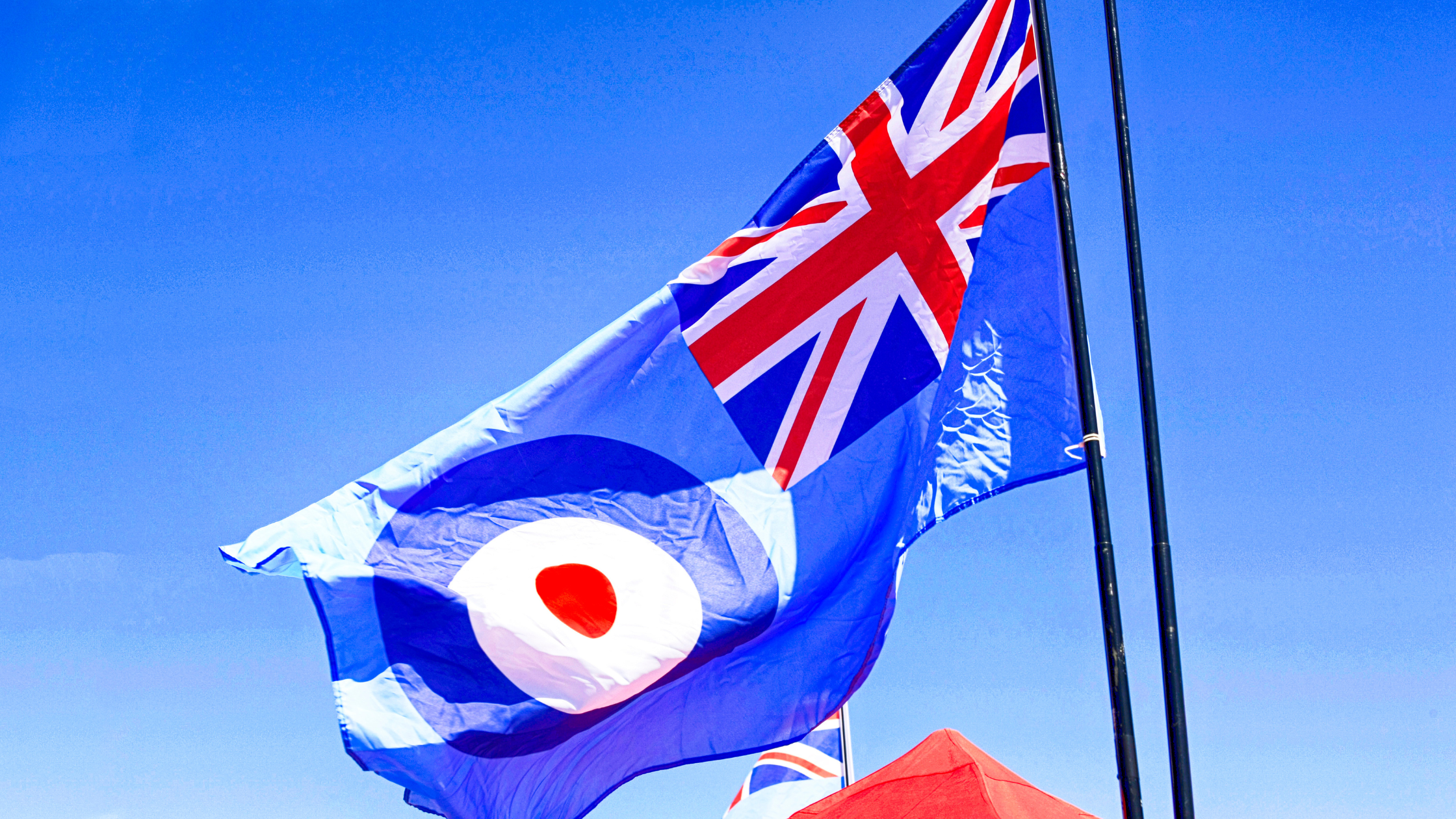
Ever wondered why RAF uniforms are a distinctive blue-grey rather than army khaki or navy blue? The explanation comes down to wartime pragmatism and budget management.
When the service was formed in 1918, the Ministry of Munitions had a massive stockpile of blue-grey fabric sitting in storage. The fabric was originally produced before the 1917 Russian Revolution to make lavish dress uniforms for Tsar Nicholas II’s Imperial Russian Cavalry. Following the revolution, the order was cancelled, leaving Britain with miles of high-quality cloth.
To save costs during wartime, the newly created RAF adopted the Tsar's blue-grey fabric for its permanent uniform colour—a signature look that remains iconic to this day.
3. The Iconic Roundel Was Created to Stop Allied Troops Shooting Each Other
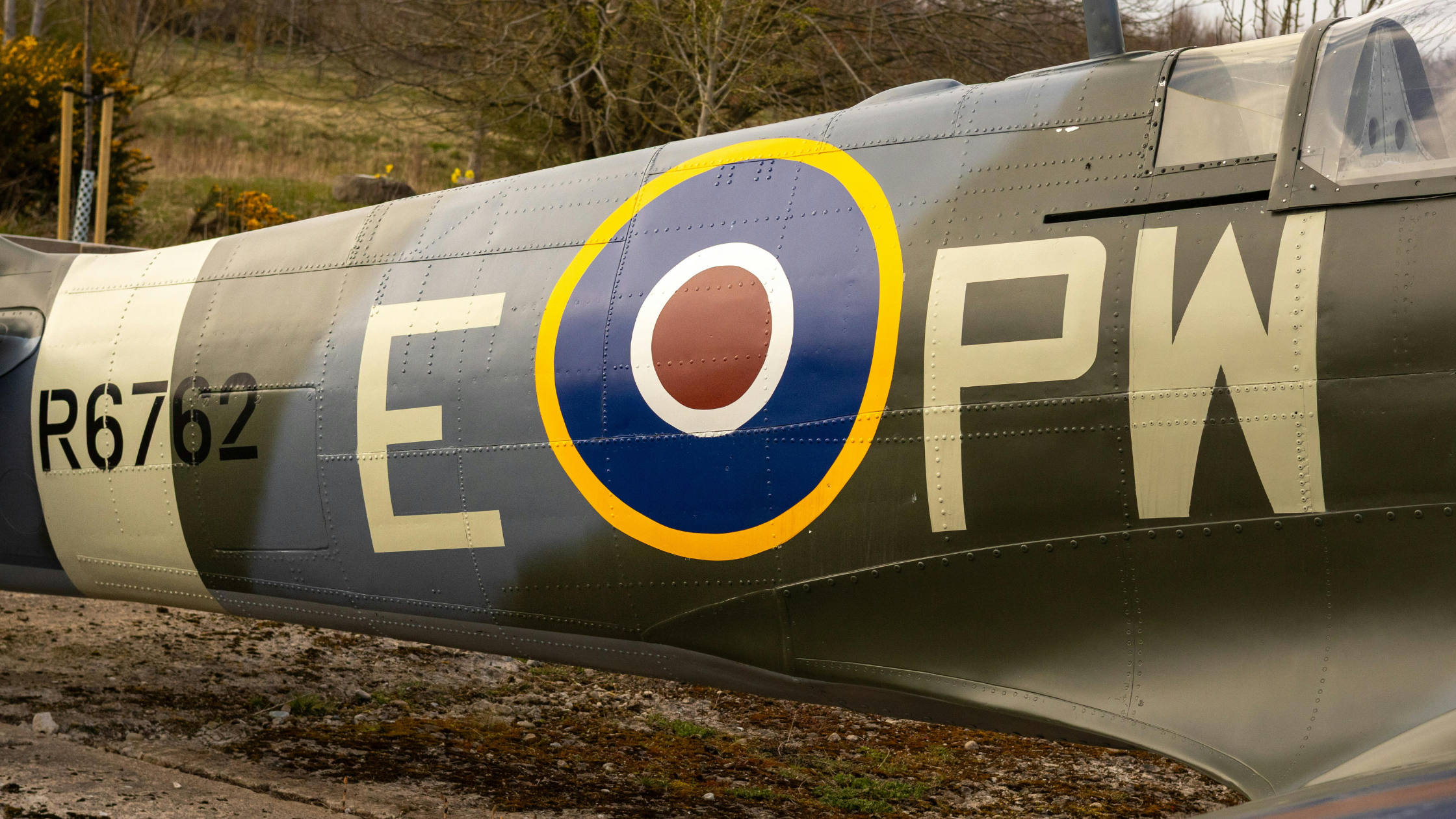
The blue, white, and red target emblem—known as the RAF Roundel—is one of the most recognisable logos in the world. But it wasn't designed for style; it was created out of sheer necessity on the frontline.
In the opening months of World War I, British planes were marked with the Union Jack painted under the wings. However, at a distance or from the ground, infantry soldiers frequently mistook the central cross of the Union Jack for the German Eisernes Kreuz (Iron Cross) and opened fire on their own aircraft!
To fix this dangerous confusion, British forces adopted a modified version of the French tricolour roundel in late 1914, reversing the order of colours to place the blue on the outside and red in the centre.
4. "Scramble!" Came from Direct Flying-Control Horns
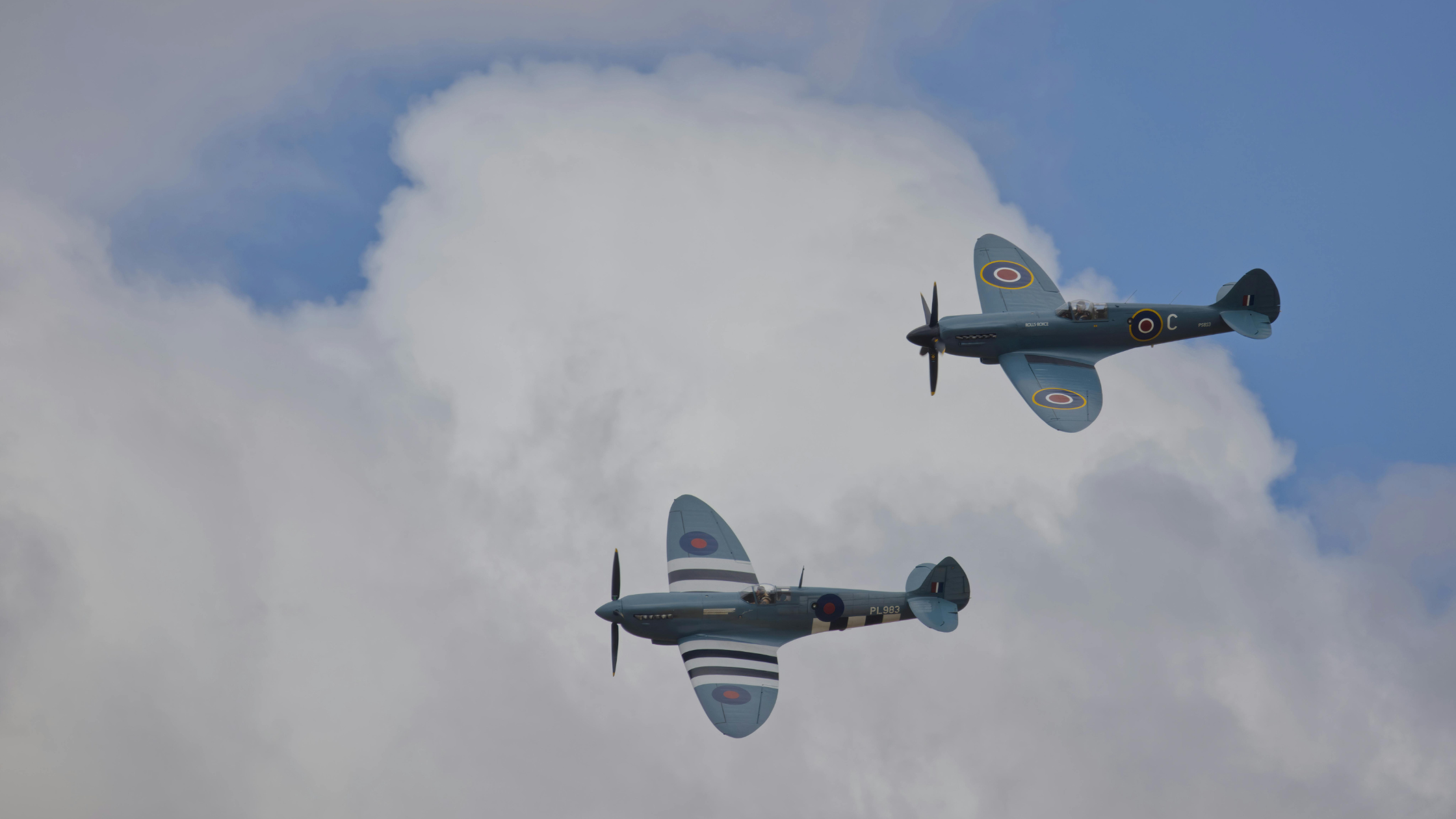
The phrase "Scramble!" is legendary in aviation folklore, evoking images of WWII pilots racing across grassy airfields toward their waiting Spitfires and Hurricanes. But where did the term originate?
During the Battle of Britain, fighter stations relied on direct Tannoy loudspeaker systems and loud horn blasts to alert squadrons of incoming enemy raids. Ground crews would literally "scramble" to hand-crank engine starters, while pilots sprinted to get airborne in under two minutes. The phrase became formal military shorthand for an immediate combat launch and remains in military terminology worldwide.
5. The Spitfire Was Almost Named the "Supermarine Shrew"
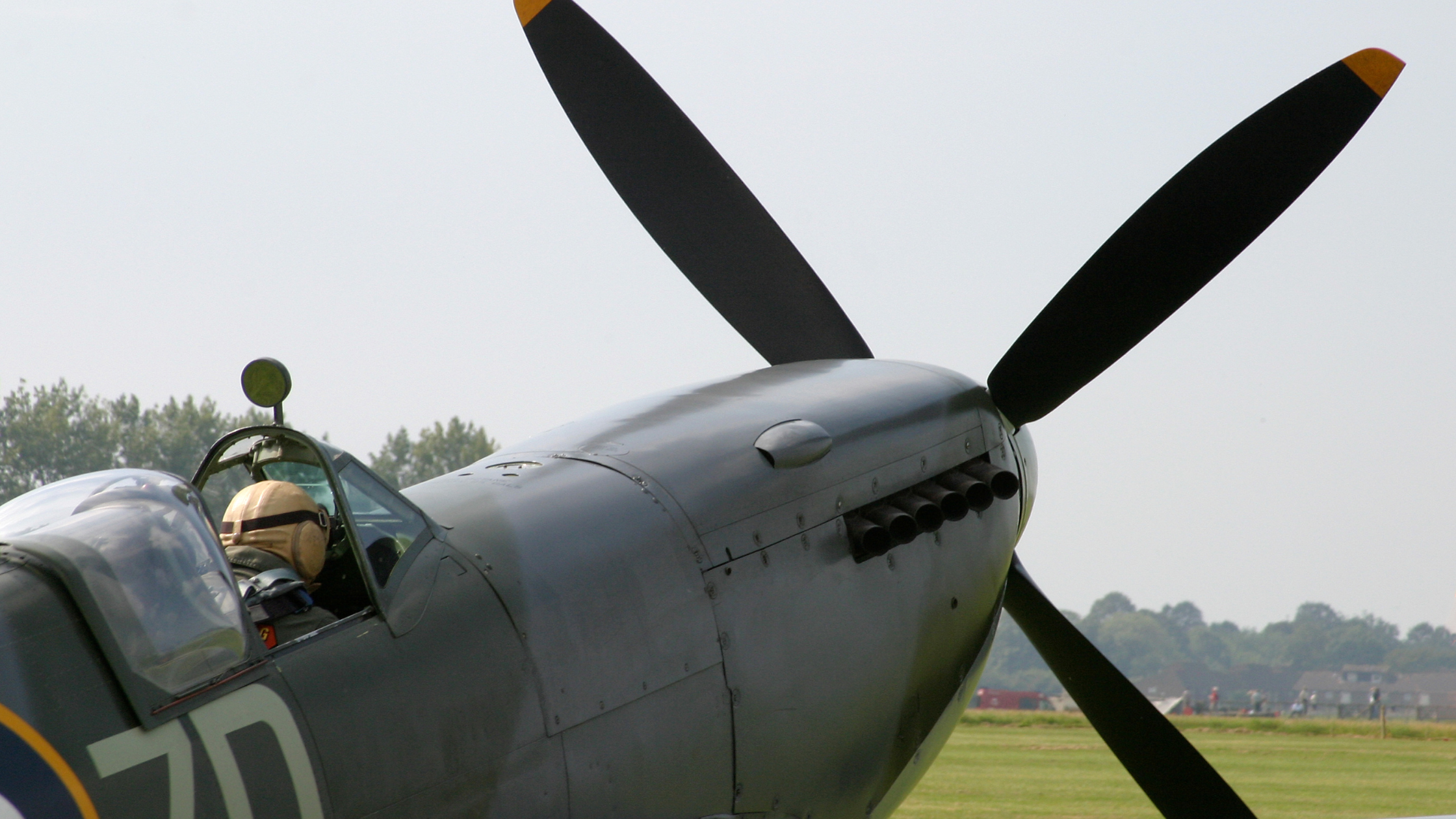
It's impossible to imagine British aviation without the word Spitfire. Yet, the aircraft was nearly given a very different name!
Sir Robert McLean, chairman of Vickers-Aviation (which owned Supermarine), wanted a name that conveyed fierce spirit. His initial suggestion was the Supermarine Shrew. Another internal suggestion was the Supermarine Scarab.
Fortunately, the Air Ministry leaned toward Spitfire—an Elizabethan term for a fiery, spirited individual. Even so, the aircraft's legendary designer, R.J. Mitchell, wasn't immediately impressed, famously calling it "just the sort of silly name they would choose."
Celebrate Aviation Heritage with Air Force Gift Shop
Our Top-Rated Roundel Gear:
-
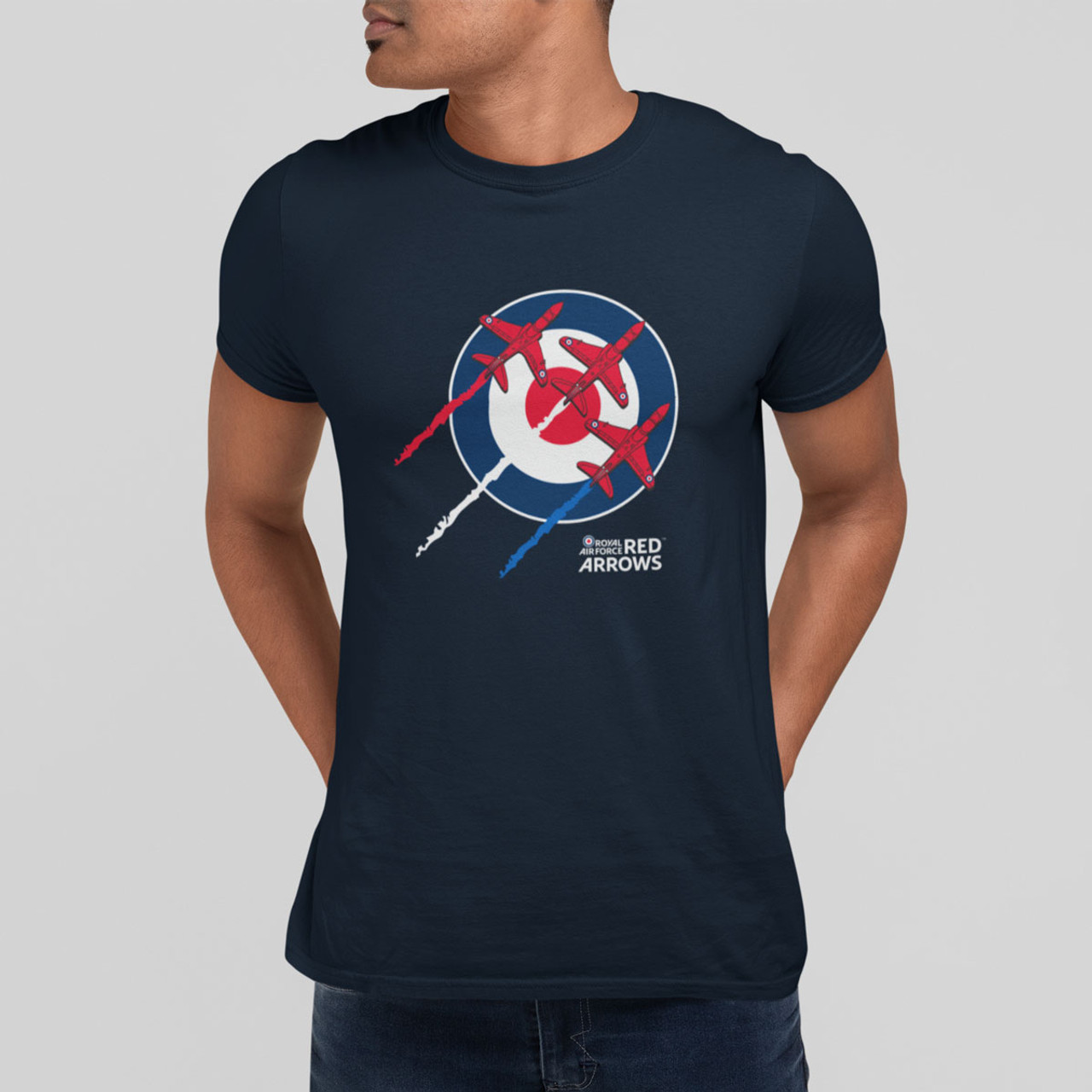
The Classic Everyday Look: Check out our premium RAF Roundel T-Shirts and Hoodies. Built for comfort and styled for everyday wear, they feature the sharp, iconic Type A roundel crisp against high-quality fabrics.

-
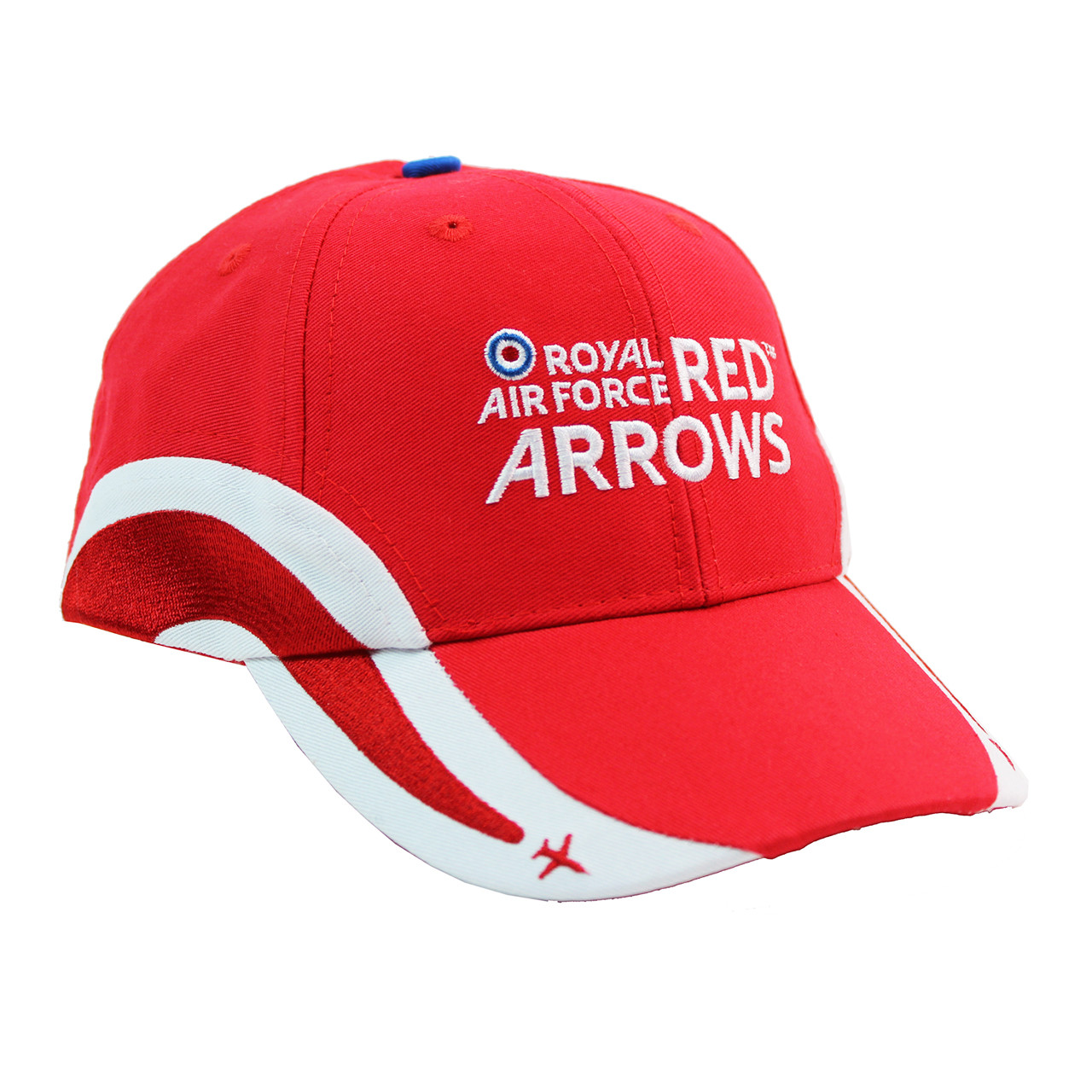
For the Flight Line: Preparing for a summer airshow? Keep the sun off with our durable, structured Official Red Arrows Embroidered Plane Cap, built to handle a breezy airfield day.
-
Aviation Accessories: From sleek backpacks to everyday tote bags, you can carry a piece of aviation history with you wherever your travels take you.


What's your favourite era of aviation history? Let us know in the comments below, and don't forget to sign up for our newsletter for exclusive discounts on our heritage gear!
To stay up to date with all things Air Force Gift Shop, follow us @airforcegiftshop on Instagram, Facebook and TikTok!