

5 Most Iconic NASA Missions That Changed Space Exploration Forever
Posted by Air Force Gift Shop on 14th Aug 2026
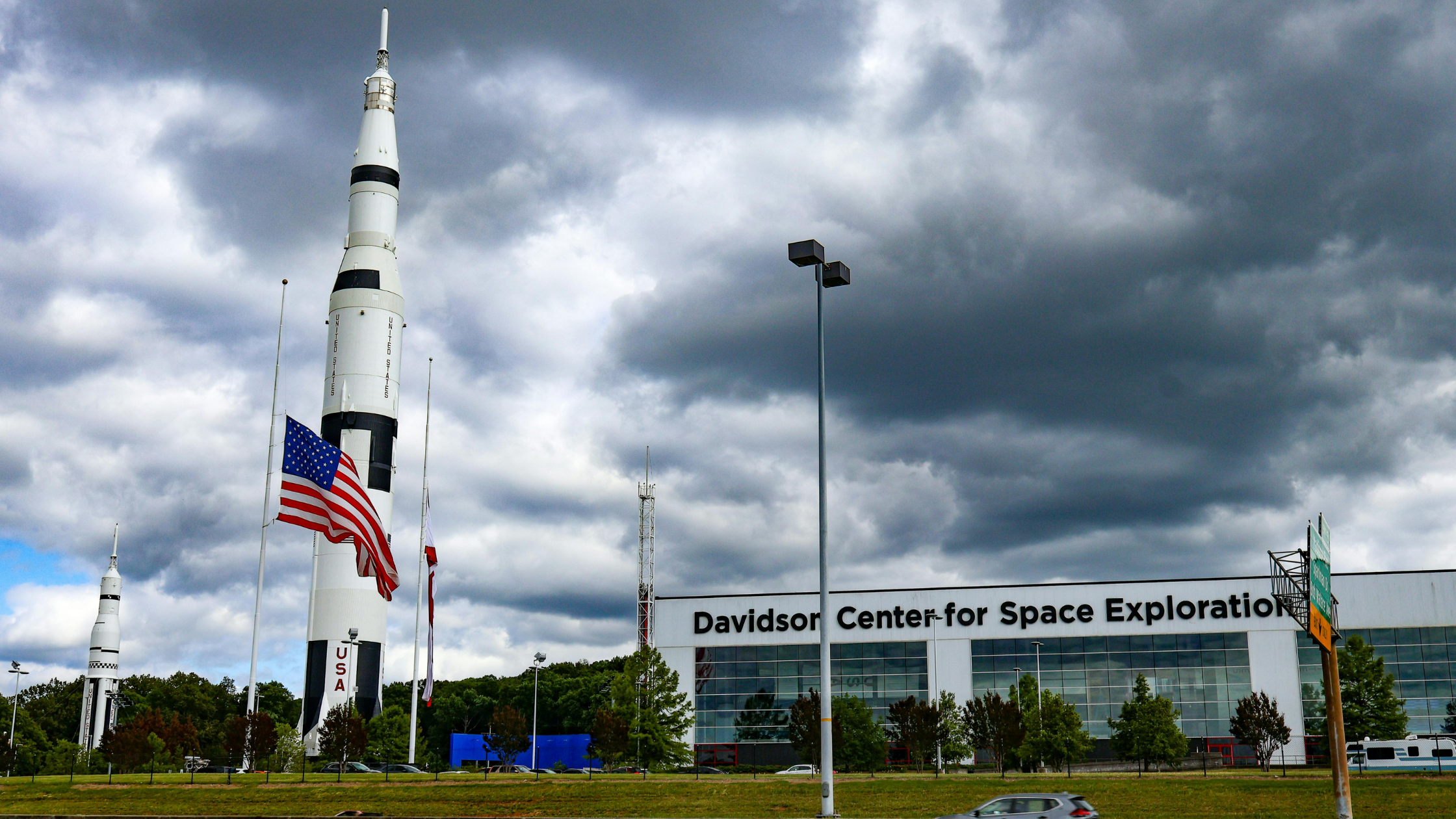
Since its founding in 1958, the National Aeronautics and Space Administration (NASA) has pushed the boundaries of where humanity can go and what we can see. From taking our very first steps on another celestial body to capturing images of galaxies formed at the dawn of time, NASA’s spaceflight programs have defined modern science and human achievement.
Whether you are a lifelong astronomy buff or fascinated by the engineering behind spaceflight, here are five of the most iconic NASA missions that forever changed our relationship with the cosmos.
1. Apollo 11 (1969): Humanity’s First Steps on the Moon
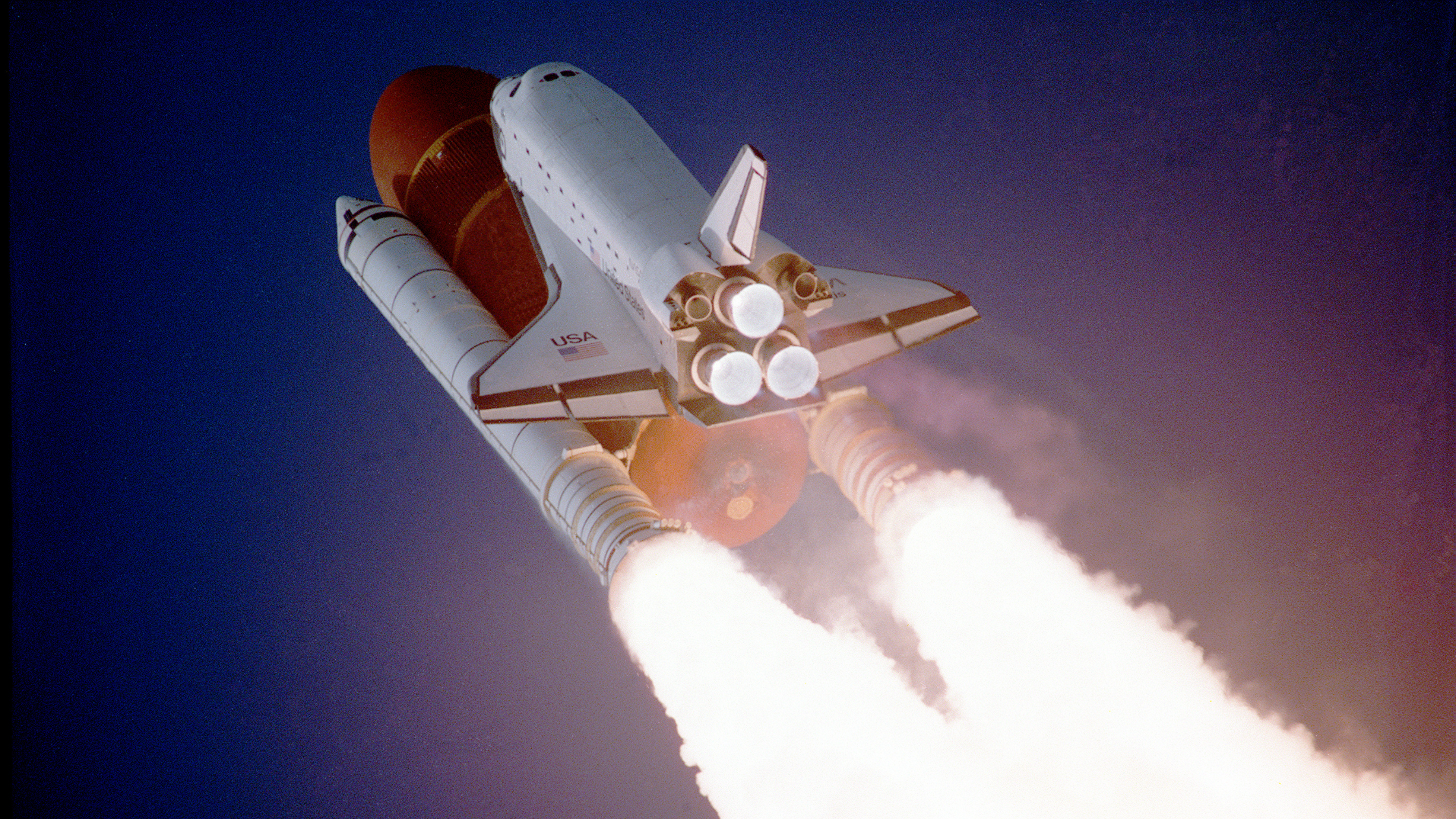
No list of iconic space achievements is complete without Apollo 11. On July 20, 1969, an estimated 650 million people tuned in worldwide to watch astronaut Neil Armstrong set foot on the lunar surface, declaring: "That's one small step for man, one giant leap for mankind."
Key Highlights:
-
The Saturn V Rocket: Powered into orbit by the largest, most powerful rocket ever successfully flown at the time.
-
The Tranquillity Base Landing: Neil Armstrong and Buzz Aldrin spent over two hours exploring the lunar surface while Michael Collins piloted the Command Module in orbit.
-
Moon Rocks & Research: Returned 47.5 pounds (21.5 kg) of lunar material, giving scientists their first direct physical evidence of the Moon’s age and composition.
It remains one of the greatest technological and human triumphs in history, proving that crewed deep-space exploration was truly possible.
2. Voyager 1 & 2 (1977–Present): The Grand Tour of the Solar System
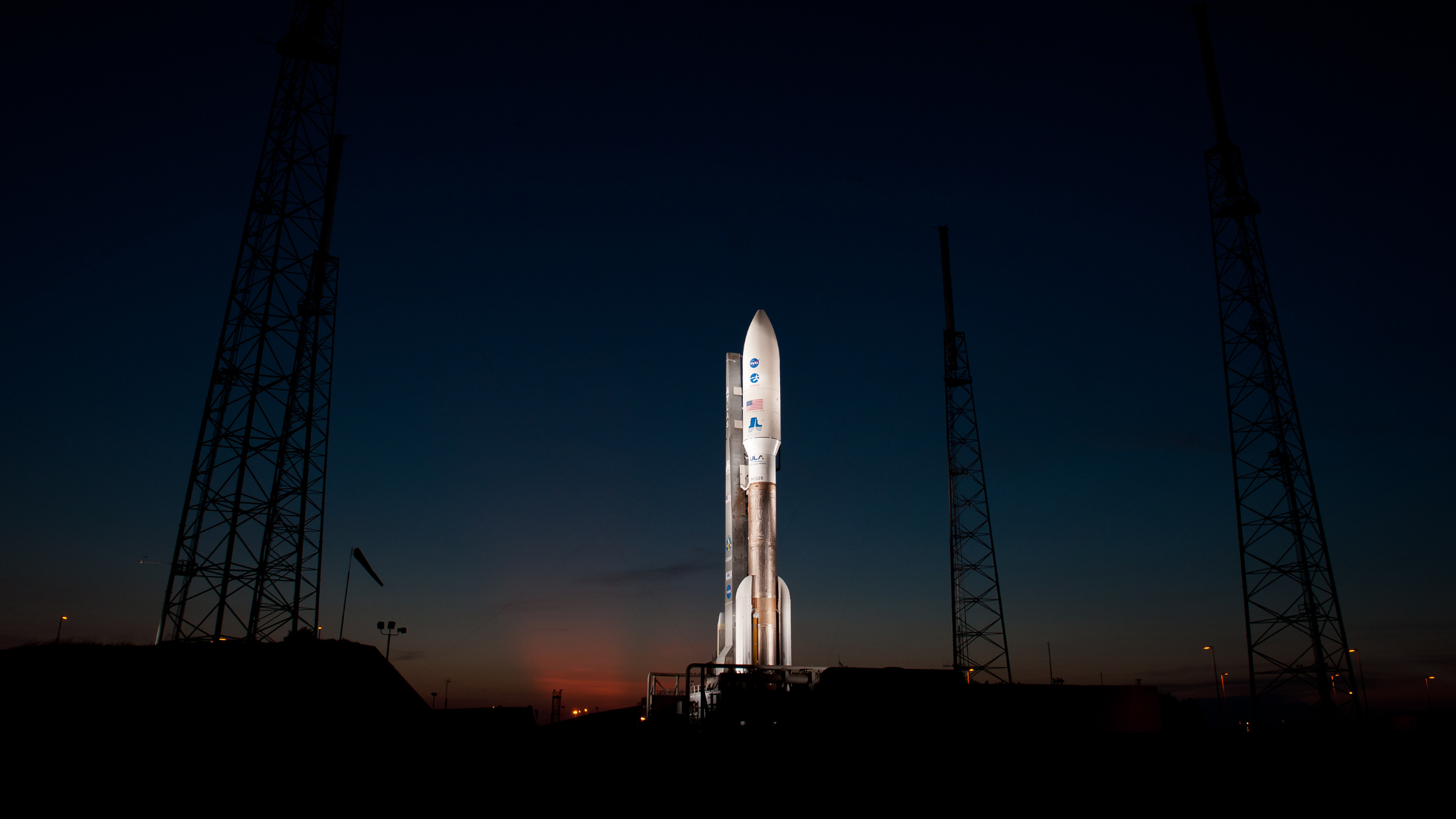
Launched just weeks apart in 1977, the twin Voyager 1 and Voyager 2 probes took advantage of a rare alignment of the outer planets—an orbital pattern that occurs only once every 175 years—to tour Jupiter, Saturn, Uranus, and Neptune.
Here's what makes them iconic:
-
Outer Planet Firsts: Voyager 2 remains the only spacecraft to have ever flown past Uranus and Neptune up close.
-
Interstellar Pioneers: In 2012, Voyager 1 became the first human-made object to cross the heliopause and enter interstellar space, followed by Voyager 2 in 2018.
-
The Golden Record: Both spacecraft carry a gold-plated copper phonograph record containing sounds, music, and images of Earth intended for any intelligent extraterrestrial life.
-
The "Pale Blue Dot": In 1990, Voyager 1 turned its camera back toward Earth from 3.7 billion miles away, capturing our home planet as a speck of light suspended in a sunbeam.
Over 45 years after launch, both probes continue to transmit data back to Earth from beyond our solar system.
3. Space Shuttle STS-31 / Hubble Space Telescope (1990): Unveiling the Universe
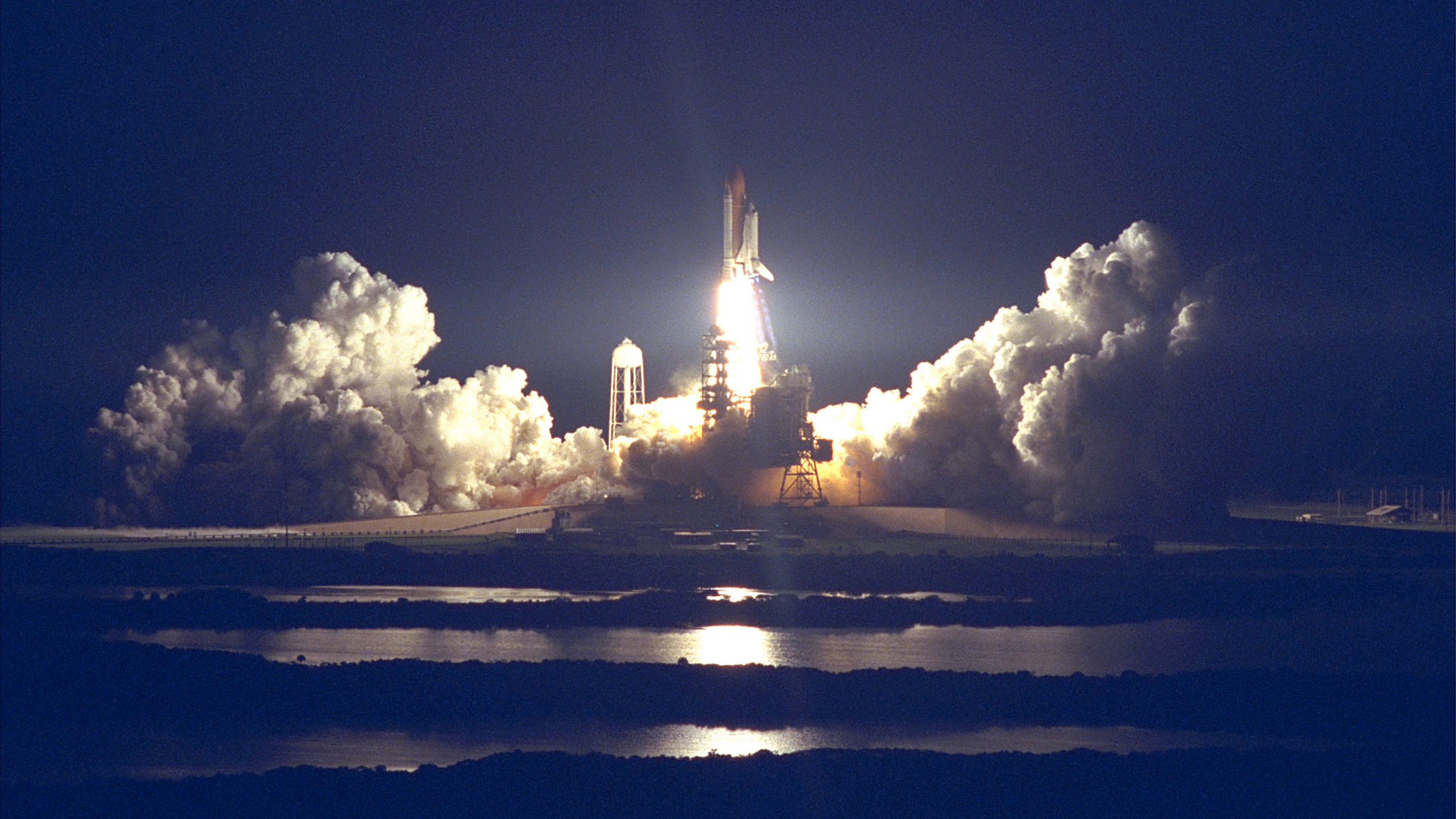
On April 24, 1990, the Space Shuttle Discovery lifted off carrying the Hubble Space Telescope, placing humanity's premier orbital observatory into low-Earth orbit above the blurring distortion of Earth's atmosphere.
What to know:
-
Game-Changing Imagery: Hubble captured world-famous, high-definition deep space images, including the breathtaking "Pillars of Creation" in the Eagle Nebula.
-
Dramatic Servicing Missions: When a flawed mirror was initially discovered, NASA launched a daring Space Shuttle repair mission (STS-61) in 1993, installing corrective optics in space—a triumph for astronaut-assisted maintenance.
-
Cosmic Breakthroughs: Hubble data helped scientists determine the precise age of the universe (roughly 13.8 billion years) and proved the existence of supermassive black holes at the centres of galaxies.
Hubble transformed astronomy from a niche scientific field into a visual wonder accessible to millions of people around the globe.
4. Mars Science Laboratory / Curiosity Rover (2012): Searching for Life on the Red Planet
NASA has sent several groundbreaking rovers to Mars, but the Curiosity Rover—part of the Mars Science Laboratory mission—marked a massive leap in planetary exploration when it landed inside Gale Crater on August 6, 2012.
Standout features include:
-
The "Seven Minutes of Terror": Because Curiosity was too heavy for traditional airbag landings, engineers developed an unprecedented "Sky Crane" manoeuvre that lowered the car-sized rover onto the Martian surface with a rocket-powered jetpack.
-
A Mobile Chemical Lab: Equipped with a suite of 10 advanced scientific instruments, including a drill and a laser spectrometer to blast Martian rocks and analyse their composition.
-
Proving Past Habitability: Curiosity discovered clear evidence that ancient Mars had liquid freshwater lakes and chemical building blocks suitable for supporting microbial life.
Still operational today, Curiosity paved the way for the Perseverance rover and future crewed missions to Mars.
5. James Webb Space Telescope (2021–Present): Peer into the Early Cosmos
Launched on Christmas Day in 2021, the James Webb Space Telescope (JWST) is the most powerful and complex space observatory ever built. Operating 1 million miles from Earth at the Second Lagrange Point (L2), JWST uses infrared astronomy to peer through cosmic dust clouds.
Highlights include:
-
An Engineering Marvel: Features a giant 6.5-metre gold-plated primary mirror made of 18 hexagonal segments and a tennis-court-sized sunshield unfolded entirely in deep space.
-
First Stars & Galaxies: Built to see the very first stars and galaxies that formed right after the Big Bang over 13.5 billion years ago.
-
Exoplanet Atmosphere Scanning: Analyses the atmospheric composition of distant planets orbiting other stars, looking for water vapour, carbon dioxide, and potential biosignatures.
As NASA's current flagship astrophysics mission, JWST is continuously rewriting astronomy textbooks with every new deep-field image it sends home.
From the dust of the Moon to the farthest edges of interstellar space, these five missions showcase the curiosity, ingenuity, and drive that define NASA's mission to explore the unknown.
To stay up to date with all things Air Force Gift Shop, follow us @airforcegiftshop on Instagram, Facebook and TikTok!